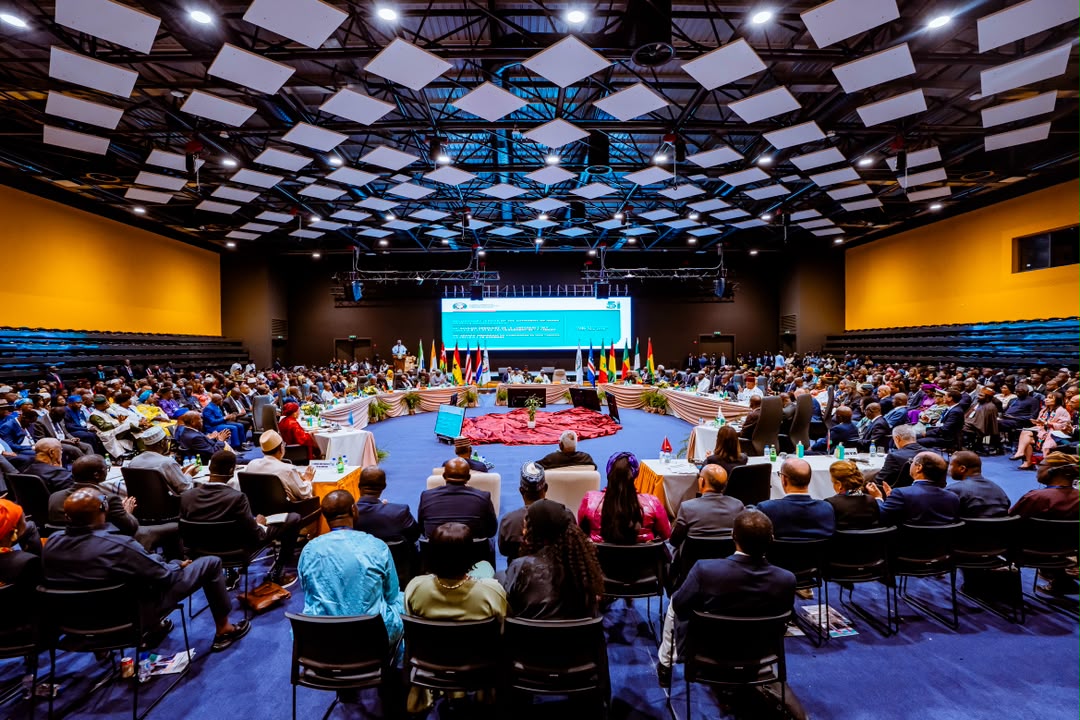
Tinubu Demands ECOWAS United Front to Crush Xenophobia in South Africa
In a powerful assertion of regional solidarity, President Bola Ahmed Tinubu has urged West African leaders to present a united front against the scourge of xenophobic attacks—often termed “Afrophobia”—targeting Nigerians and other Africans in South Africa.
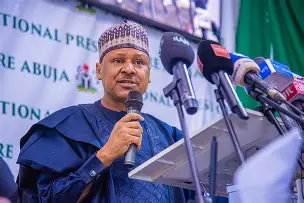
Speaking through Vice President Kashim Shettima at the 69th Ordinary Session of the ECOWAS Authority of Heads of State and Government in Freetown, Sierra Leone, Tinubu condemned the violence in the strongest terms and called for collective action at the African Union level.
The high-level summit, hosted at the Julius Maada Bio International Conference Centre and chaired by Sierra Leone’s President Julius Maada Bio, focused on the future of ECOWAS integration.
Nigeria’s intervention underscored its historic role as a key founding member and regional powerhouse, emphasizing peace, security, economic cooperation, and democratic governance.
President Tinubu, via Shettima, highlighted Nigeria’s proactive response: over 1,490 citizens have already been evacuated in seven batches, with more support ready if needed.
He stressed that a unified ECOWAS voice would send an unambiguous message to South Africa that such intolerance is unacceptable.
“Nigeria condemns, in the strongest terms, the recent attacks on its citizens and other Africans in the Republic of South Africa,” the statement read. Referencing Ghana’s earlier position, Tinubu advocated tabling the matter at the next African Union session, reminding South Africa of the sacrifices by African nations, including Nigeria, in its anti-apartheid struggle.
This stance aligns with broader Nigerian legislative concerns, where the Senate has debated diplomatic and economic measures in response to recurring xenophobic violence.
Tinubu reaffirmed Nigeria’s commitment to the newly developed **ECOWAS Compact for the Future of Regional Integration**, a six-pillar framework designed to operationalize Vision 2050.
The Compact shifts focus toward a citizen-centered “ECOWAS of the Peoples,” addressing sustainable economic transformation, peace and security, science/technology/innovation, social inclusion (especially youth and women), institutional reform, and geopolitical positioning.
Key priorities highlighted include:
- Security and Stability: Intensified action against insecurity, unconstitutional governance, and terrorism through strengthened Standby and Counter-Terrorism Forces, intelligence sharing, and preventive diplomacy.
- Economic Integration: Eliminating trade barriers, improving infrastructure, free movement of people/goods/services, and establishing a Digital Single Market with AI and cybersecurity frameworks.
- Governance: Upholding constitutional rule, the rule of law, human rights, and zero tolerance for coups.
- Social Development: Advancing gender equality, youth empowerment, education, and entrepreneurship for over 400 million citizens.
The summit also featured the signing of the Intergovernmental Agreement for the African Atlantic Gas Pipeline (AAGP) project, alongside addresses from UN Deputy Secretary-General Amina Mohammed and ECOWAS Commission President Omar Alieu Touray.
Hosted amid global transformations, climate pressures, and internal challenges (including recent withdrawals by some Sahel states), the summit reflects ECOWAS’s determination to adapt.
Sierra Leone’s President Bio described it as a time for strategic clarity, foresight, and collective action to shape the region’s destiny.
Nigeria’s leadership role remains central. As the largest economy and a founding member, it continues to champion unity, as evidenced by ongoing infrastructure pushes at home and diplomatic engagement abroad.
Vice President Shettima’s presence, representing President Tinubu, underscores continuity in Nigeria’s foreign policy—prioritizing regional stability, citizen protection, and shared prosperity.
As ECOWAS navigates a complex geopolitical landscape, Tinubu’s message resonates clearly: unity is not optional but essential for a peaceful, integrated, and resilient West Africa.
The outcomes from Freetown could chart the bloc’s course for years ahead, with Nigeria firmly at the helm.
 news
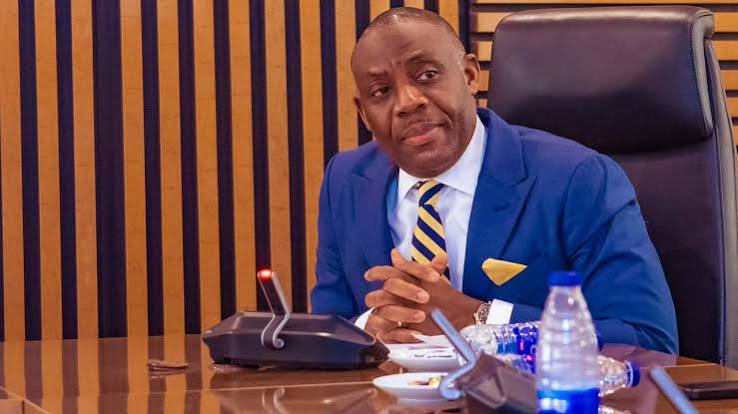
news Tinubu Set to Crush Obi, Atiku in 2027 Poll
 news
news Israel Urges Nigerian Doctors for Capacity Training Abroad
 news
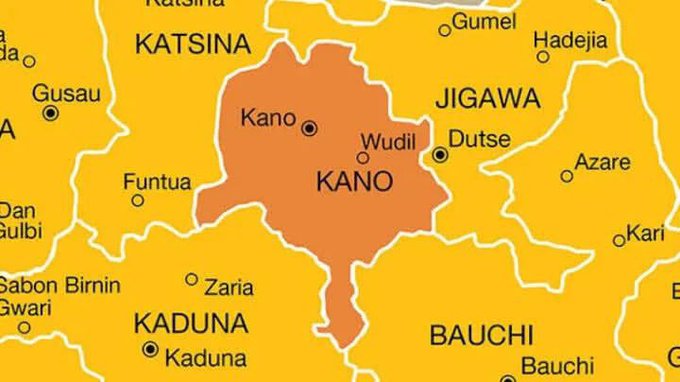
news Kano Woman Stabs Boyfriend, Severs Manhood Completely
 world
world Trump Hails Court Win Over New York Times Lawsuit
 news
news Minister Hails NTA’s World-Class Studio in Tinubu Media Push
How do you feel about this news?
Community Additions
Have a news tip, correction, or extra context about this story? Post it below instantly. All submissions appear live on this screen immediately.