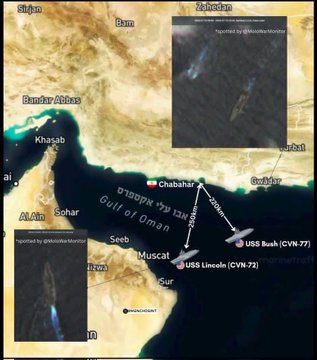
US Reimposes Naval Blockade on Iran: Oil Shockwaves Loom
In a significant escalation of economic and military pressure, the United States has reimposed a naval blockade on Iran’s ports, a move analysts warn could further strain Tehran’s economy while sending ripples through global energy markets already jittery from regional instability.
The decision, announced amid persistent diplomatic friction, aims to restrict maritime traffic linked to Iran, particularly in and around the strategic Strait of Hormuz — a vital chokepoint through which roughly one-fifth of the world’s oil and liquefied natural gas passes daily.
Al Jazeera reports that the blockade is expected to intensify existing economic hardships in Iran while potentially disrupting international shipping and energy supplies.
This development comes against the backdrop of heightened US-Iran standoffs, including previous tit-for-tat actions, strikes, and disputes over the Strait of Hormuz.
The reimposed blockade signals a hardening stance from Washington, likely tied to broader geopolitical objectives involving sanctions enforcement, nuclear concerns, and regional security dynamics.
For Iran, already facing economic challenges, the blockade could exacerbate difficulties in exporting oil and importing essential goods, further impacting ordinary citizens.
Globally, energy traders are watching closely: any sustained disruption risks pushing oil prices higher, affecting everything from fuel costs to inflation in importing nations.
Beyond headlines, the human cost looms large. Seafarers navigating these waters face increased uncertainty and security risks, while families in Iran grapple with the daily realities of economic strain.
Maritime incidents in the Gulf have previously led to attacks on vessels, crew evacuations, and temporary halts in shipping operations — underscoring the volatile environment.
Experts caution that while the blockade aims to apply targeted pressure, unintended consequences could include higher global energy prices, strained alliances, and calls for renewed diplomacy to prevent further escalation.
As the situation evolves, all eyes remain on reactions from Tehran, major energy consumers, and international bodies monitoring freedom of navigation in critical sea lanes.
The coming days and weeks will be pivotal in determining whether this move leads to de-escalation through talks or deepens the cycle of confrontation.
 news
news Tinubu Set to Crush Obi, Atiku in 2027 Poll
 news
news Israel Urges Nigerian Doctors for Capacity Training Abroad
 news
news Kano Woman Stabs Boyfriend, Severs Manhood Completely
 world
world Trump Hails Court Win Over New York Times Lawsuit
 news
news Minister Hails NTA’s World-Class Studio in Tinubu Media Push
How do you feel about this news?
Community Additions
Have a news tip, correction, or extra context about this story? Post it below instantly. All submissions appear live on this screen immediately.