
Dangote Refinery Eyes Shift from Dollar to Naira — Deal Talks Underway
LAGOS/ABUJA, Nigeria — Fresh reports indicate that the Federal Government and Dangote Petroleum Refinery are engaged in active discussions over a potential policy reversal that could see the refinery shift its petroleum product sales back to the naira, a move many hope will reduce pressure on foreign exchange reserves and bring much-needed relief to Nigerian consumers.
This development comes shortly after the refinery implemented a switch to dollar-denominated pricing for petrol, diesel, and aviation fuel on July 13, 2026, ending the naira-based transactions that had been in place under the government’s naira-for-crude initiative launched in October 2024.
Under the new dollar template, ex-depot petrol was priced at $0.779 per litre, diesel at $1.087, and aviation fuel at $0.942.
Industry sources and social media commentary suggest ongoing negotiations aim to address the currency mismatch that has exposed the refinery to significant exchange rate risks.
While the refinery receives a growing portion of its crude in dollars from international sources or adjusted NNPCL supplies, selling products in naira created unsustainable financial exposure amid volatile forex rates.
For millions of Nigerians already struggling with high fuel costs, inflation, and naira depreciation, a successful return to naira sales could stabilize pump prices, reduce dependence on dollar transactions, and ease the broader economic burden.
The naira-for-crude program was designed precisely to conserve foreign exchange, boost local refining, and shield consumers from wild price swings — goals that appear to be under review as talks continue.
Aliko Dangote’s refinery, with its massive 650,000-barrel-per-day capacity, has transformed Nigeria’s energy landscape by significantly cutting reliance on imported fuel.
However, operational realities—including inconsistent naira-crude supply volumes from the Nigerian National Petroleum Company Limited (NNPCL)—have forced adaptive strategies like the recent dollar shift.
Stakeholders, including oil marketers and analysts, view the current discussions as a positive signal.
A successful naira-based framework, if paired with subsidized or consistent domestic crude supply, could help crash pump prices and support broader economic stability.
This potential policy pivot highlights the complex balancing act facing the Tinubu administration: attracting massive private investment like Dangote’s while managing currency pressures, fuel affordability, and energy security.
Success here could mark a significant win for domestic refining ambitions and demonstrate government responsiveness to both industry needs and public hardship.
As negotiations progress, Nigerians will be watching closely. For a country where fuel prices directly impact transportation, food costs, and daily survival, even modest relief at the pumps would be welcomed with open arms.
The coming days could prove pivotal in determining whether this promising dialogue translates into tangible benefits for the masses.
The situation remains fluid, with further updates expected from official channels and the Dangote Group.
 news
news Tinubu Set to Crush Obi, Atiku in 2027 Poll
 news
news Israel Urges Nigerian Doctors for Capacity Training Abroad
 news
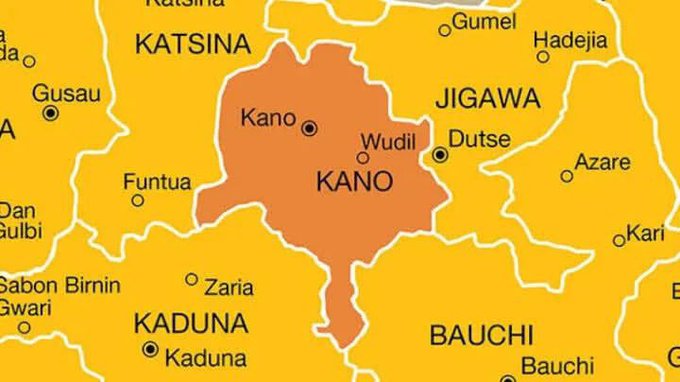
news Kano Woman Stabs Boyfriend, Severs Manhood Completely
 world
world Trump Hails Court Win Over New York Times Lawsuit
 news
news Minister Hails NTA’s World-Class Studio in Tinubu Media Push
How do you feel about this news?
Community Additions
Have a news tip, correction, or extra context about this story? Post it below instantly. All submissions appear live on this screen immediately.