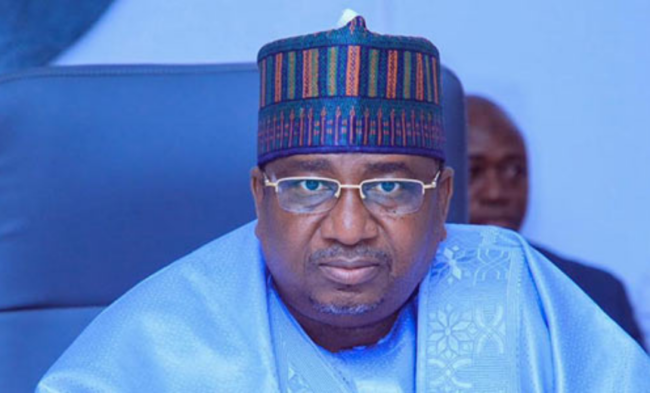
Kebbi Spends ₦75 Million Taxpayers’ Money on Mass Wedding Dowries
BIRNIN KEBBI, Nigeria — In a move that has ignited fierce public debate, the Kebbi State Government has earmarked ₦75 million of public funds to pay dowries for 300 couples participating in the third edition of its mass wedding programme, scheduled for July 27, 2026.
Chairman of the State Mass Wedding Committee, Alhaji Suleiman Muhammad Argungu, announced the allocation while briefing journalists in Birnin Kebbi.
Each groom will receive ₦250,000 as dowry in line with Islamic tradition, with beneficiaries carefully selected from all 21 local government areas and 225 wards after rigorous screening.
The programme, organized in partnership with the NANAS Foundation (a pet project of the wife of Governor Nasir Idris, Hajiya Nafisa Nasir Idris), is described as inclusive, open to both Muslim and Christian couples regardless of ethnicity.
It includes compulsory medical examinations for health and compatibility, verification of grooms’ means of livelihood, provision of household essentials like beds, mattresses, and food items, plus post-wedding welfare monitoring.
Governor Nasir Idris is expected to grace the ceremony alongside Islamic clerics and dignitaries.
Supporters view the initiative as a noble effort to assist less-privileged young people, reduce the financial burden of marriage, promote family stability, and curb social vices.
Similar programmes in northern states have been praised for helping couples start life together with dignity.
However, the use of taxpayers’ money has drawn sharp criticism, especially given Kebbi’s challenging socio-economic realities.
The state ranks among the lowest in human development indices, with high poverty rates (over 50% in some metrics), significant numbers of out-of-school children, and persistent security challenges from banditry that have forced many schools to close.
Critics on social media and in public discourse question whether sponsoring mass weddings should take precedence over urgent investments in healthcare, education, rural infrastructure, agriculture, and youth empowerment programmes that could deliver broader, long-term impact.
This is the third such edition under the current administration, highlighting a recurring policy choice that reflects cultural and religious values in a predominantly Muslim state while raising classic governance questions: How best should limited public resources be allocated in a developing context?
Mass weddings sponsored by governments or first ladies’ foundations are not new in northern Nigeria.
Proponents argue they strengthen social cohesion, support moral values, and provide practical help in societies where marriage costs can be prohibitive.
Detractors, however, see them as populist gestures that offer short-term relief but do little to address structural poverty and underdevelopment.
Governor Nasir Idris’s administration has positioned the programme as part of efforts to support vulnerable residents.
Yet, as Nigeria grapples with nationwide economic pressures, such expenditures inevitably spark conversations about fiscal prudence and competing priorities.
As the July 27 event approaches, Kebbi residents and observers nationwide will be watching not just the celebrations, but whether the newlyweds — and by extension the state’s broader population — receive meaningful, sustained support beyond the wedding day.
 news
news Tinubu Set to Crush Obi, Atiku in 2027 Poll
 news
news Israel Urges Nigerian Doctors for Capacity Training Abroad
 news
news Kano Woman Stabs Boyfriend, Severs Manhood Completely
 world
world Trump Hails Court Win Over New York Times Lawsuit
 news
news Minister Hails NTA’s World-Class Studio in Tinubu Media Push
How do you feel about this news?
Community Additions
Have a news tip, correction, or extra context about this story? Post it below instantly. All submissions appear live on this screen immediately.