
I Borrowed ₦400 Million for This Appointment’ — Embattled PFIPC Boss
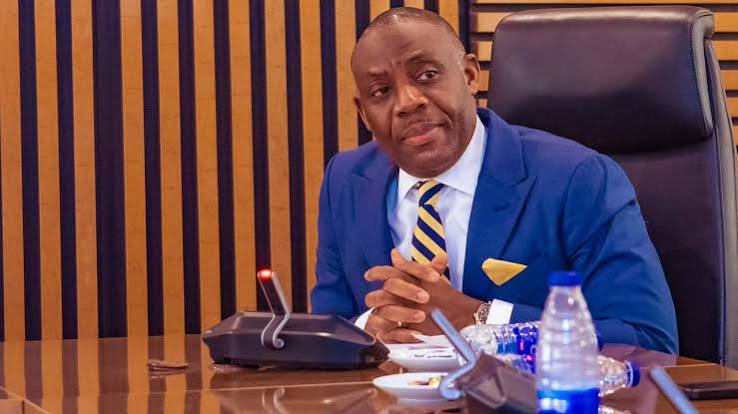
LAGOS, Nigeria – In a jaw-dropping television appearance that has ignited fresh outrage over corruption and governance in Nigeria, Prince Adeyemi Adeniyi Matthew, the embattled figure at the center of the Presidential Foreign Intervention Promotion Council (PFIPC) saga, openly admitted borrowing N400 million to facilitate his controversial appointment as Director-General of the now-disowned agency.
Speaking on Channels Television’s Politics Today program on Monday, July 13, 2026, Adeniyi detailed the financial pressures, stating: “I borrowed the money [N400 million] for this appointment. In fact, those that I borrowed from have reported to the EFCC.”
He indicated an additional N200 million was expected later, painting a picture of high-stakes deal-making in Nigeria’s corridors of power.
The PFIPC, which also operated under names like the Presidential Economic Advisory Council, emerged as an apparent government body focused on foreign investment, finance, and capital markets.
Adeniyi claimed it was legitimately established around 2024, complete with an office in the Federal Secretariat in Abuja.
Remarkably, the entity even secured a N1.3 billion allocation in Nigeria’s 2026 national budget, despite the Presidency’s vehement denial of its existence.
According to official statements from the State House, Adeniyi forged appointment letters bearing the signature of President Bola Tinubu’s Chief of Staff, Femi Gbajabiamila.
He allegedly used these documents to legitimize operations, interact with agencies like the CBN and National Assembly, and pursue funding.
Adeniyi was arrested in October 2025 but maintains his appointment was genuine and vows to clear his name in court, where he faces charges of forgery and impersonation.
In the interview, Adeniyi appeared animated and defiant, gesturing emphatically while insisting he is not in hiding but fears for his safety.
He denied direct involvement in budget defense (claiming he was in detention during key periods) and pointed to systemic lapses that allowed the “fake” agency to infiltrate official processes.
This scandal has thrust the office of the Chief of Staff into the spotlight.
Adeniyi has accused Gbajabiamila’s office of demanding 48% of the agency’s proposed take-off grant (around N27.4 billion) and receiving the N400 million bribe through proxies—allegations the Presidency has strongly rejected, framing Adeniyi as a sophisticated scammer who fooled multiple institutions.
Public reaction on social media and in political circles has been swift and scathing. Commentators question how such an entity could appear in the national budget without oversight from lawmakers or the executive.
Others see it as symptomatic of deeper rot: the monetization of appointments, weak institutional checks, and the ease with which fraudsters exploit Nigeria’s bureaucratic complexities.
Veteran observers note this case highlights perennial challenges in Nigeria’s governance—budget padding risks, verification gaps for new agencies, and the intersection of politics and personal enrichment.
Adeniyi’s creditors turning to the EFCC underscores the personal financial stakes often involved in such maneuvers.
As the matter heads to court (with arraignment reportedly slated for late July), questions linger: How deep does the network of enablers go?
What reforms are needed to prevent similar “ghost agencies”? And will this episode prompt greater transparency in presidential appointments and budgetary processes?
For now, Adeniyi’s candid admission has stripped away layers of denial, offering Nigerians a raw glimpse into the transactional underbelly of power—and reigniting demands for accountability at the highest levels.
The full story, as it unfolds, promises to test the resilience of institutions and public trust in government.
 news
news Tinubu Set to Crush Obi, Atiku in 2027 Poll
 news
news Israel Urges Nigerian Doctors for Capacity Training Abroad
 news
news Kano Woman Stabs Boyfriend, Severs Manhood Completely
 world
world Trump Hails Court Win Over New York Times Lawsuit
 news
news Minister Hails NTA’s World-Class Studio in Tinubu Media Push
How do you feel about this news?
Community Additions
Have a news tip, correction, or extra context about this story? Post it below instantly. All submissions appear live on this screen immediately.