How Ex-Governor Ishaku Allegedly Stole N1.8bn for Festive Fraud – EFCC Witness
Abuja, Nigeria – July 13, 2026 – In a gripping courtroom revelation that underscores Nigeria’s relentless battle against high-level graft, a key prosecution witness has detailed how over N1.8 billion earmarked for purchasing Christmas grains in Taraba State was allegedly diverted through a company account in a brazen scheme tied to former Governor Darius Dickson Ishaku.
The testimony came during the ongoing trial of Ishaku and his co-defendant, Bello Yero, former Permanent Secretary in the Bureau for Local Government and Chieftaincy Affairs.
The Economic and Financial Crimes Commission (EFCC) is prosecuting the pair on a 15-count charge bordering on criminal breach of trust, conspiracy, and conversion of public funds totaling N27 billion.
Led in evidence by prosecution counsel Rotimi Jacobs, SAN, third prosecution witness (PW3) Taiwo Johns, Managing Director of P3 Cornerstone International Nigeria Limited, painted a vivid picture of systemic diversion.
He told Justice S.C. Oriji of the Federal Capital Territory High Court in Abuja that N1.8 billion was transferred into his company’s account from Gassol Local Government’s Salary Transmission Account on directives from Yero, Director of Finance Babangida Hassan, and Chief Cashier John Columba.
Johns disclosed that funds were transferred to his account 69 times, all originating from the same local government account typically used for salaries, projects, and revenue.
One notable transaction on December 24, 2018, involved N100 million explicitly narrated for “purchase of assorted grains for distribution during Christmas and New Year.” Yet, according to the witness, no grains were purchased.
When pressed on what happened to the money, Johns explained he would report inflows and receive further instructions: transfer to another individual (PW2, referred to as Mr. Prince), withdraw cash, or hand over to figures like Dare Lawal (PW1).
In some instances, he personally transported Yero to the Government House with cash stuffed in “Ghana Must Go” bags.
“I reported back to them that some money entered my account, then they gave me further directives,” he testified. A N30 million cheque payment was also mentioned, with the witness confirming it was not used for the intended grains distribution.
This latest hearing fits into a larger pattern of EFCC prosecutions targeting alleged misuse of public resources during past administrations.
Ishaku, who served as Taraba Governor, faces accusations that strike at the heart of public trust—diverting funds meant for citizens’ welfare, including seasonal support for vulnerable populations during festive periods.
The EFCC’s proactive stance reflects its mandate to eradicate economic and financial crimes through investigation, enforcement, and coordination.
Recent agency activities include asset recoveries, high-profile arraignments, and appeals in related corruption matters, signaling a sustained push for accountability.
For ordinary Nigerians, stories like this evoke deep frustration. Funds siphoned from local government accounts — often the lifeline for rural communities — mean less for infrastructure, healthcare, education, and emergency aid.
The Christmas grains allocation, symbolic of seasonal goodwill, highlights how corruption can erode even the most basic social safety nets.
Legal observers note that while the testimony is compelling, the defendants maintain their innocence, and the court will weigh all evidence before any verdict.
The case continues tomorrow, July 14, 2026, with further proceedings expected to shed more light.
This development arrives amid broader national conversations on transparency, good governance, and the role of anti-corruption agencies in rebuilding public confidence.
As Nigeria grapples with economic challenges, such trials serve as both deterrent and reminder of the human cost of graft.
The EFCC continues to urge citizens to report suspected corrupt practices, reinforcing that public vigilance remains key to sustaining momentum in the fight against economic crimes.
As the trial unfolds, it promises further revelations that could shape accountability standards for public office holders across the federation.
 news
news Tinubu Set to Crush Obi, Atiku in 2027 Poll
 news
news Israel Urges Nigerian Doctors for Capacity Training Abroad
 news
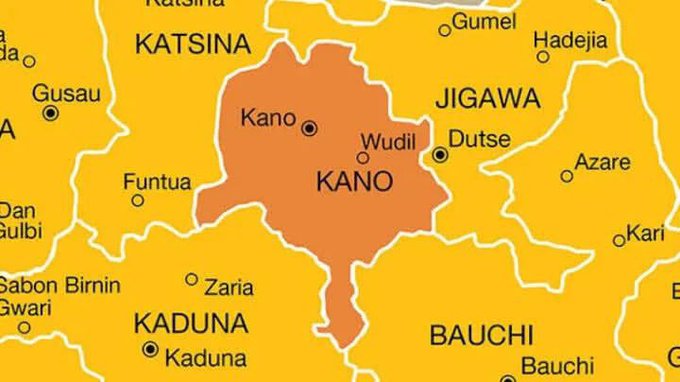
news Kano Woman Stabs Boyfriend, Severs Manhood Completely
 world
world Trump Hails Court Win Over New York Times Lawsuit
 news
news Minister Hails NTA’s World-Class Studio in Tinubu Media Push
How do you feel about this news?
Community Additions
Have a news tip, correction, or extra context about this story? Post it below instantly. All submissions appear live on this screen immediately.