US Launches Third Strike on Iran as Strait of Hormuz Crisis Escalates
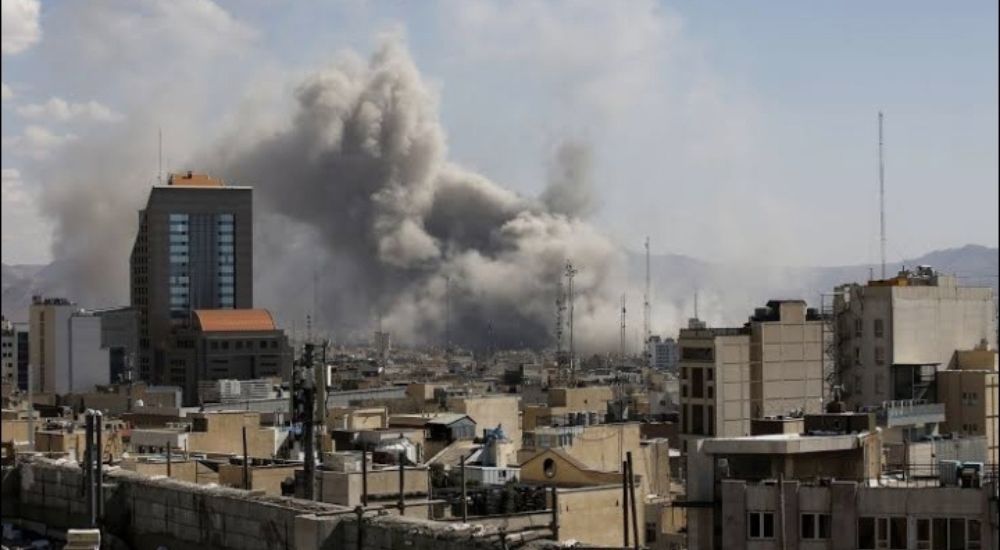
WASHINGTON — The United States conducted its third round of airstrikes against Iranian military targets this week, escalating a dangerous confrontation in the Persian Gulf that threatens to unravel a fragile ceasefire and disrupt global energy supplies.
U.S. Central Command (CENTCOM) confirmed the latest operation targeted Iranian air and surface-surveillance radars, missile and drone storage facilities, launch sites, and surface-to-air missile systems.
The strikes followed an attack by Iran’s Islamic Revolutionary Guard Corps (IRGC) on the Cyprus-flagged container ship M/V GFS Galaxy in the Strait of Hormuz, which caused significant damage and left one crew member missing.
Iran declared the vital waterway closed until further notice, citing U.S. “interventions” in the region, a move that has already sharply reduced maritime traffic and sent oil prices surging.
Escalating Exchange Raises Fears of Broader Conflict
This latest flare-up comes amid a series of intense exchanges. Over three nights of strikes, CENTCOM reports hitting more than 300 Iranian targets, including naval capabilities, ammunition storage, and communication networks.
Iranian retaliatory actions have included strikes on U.S.-allied positions in Jordan, Bahrain, Kuwait, and Qatar, with air defense systems activated across the Gulf.
The violence erupted despite a June memorandum of understanding aimed at reopening the Strait of Hormuz and de-escalating tensions.
Diplomatic talks in Muscat failed to prevent the collapse, with disputes over shipping routes and tolls at the heart of the disagreement.
President Donald Trump had earlier declared the ceasefire “over” before the latest U.S. response.
The Strait of Hormuz, through which roughly 20% of global oil passes, remains the focal point.
Iran’s attempts to assert control over shipping lanes have direct implications for energy markets and international navigation rights.
Human and Strategic Costs Mount
While exact casualty figures from the latest strikes remain unclear, previous rounds have caused significant damage to Iranian infrastructure.
Regional diplomats and analysts warn that continued escalation risks drawing in more actors and destabilizing an already volatile Middle East.
For now, the U.S. maintains its actions are limited and defensive, aimed at protecting commercial shipping and deterring further Iranian aggression.
However, the cycle of strikes and counterstrike highlights how quickly a fragile truce can unravel when core interests — navigation freedom, regional influence, and energy security — collide.
As smoke rises once more over Iranian targets, the world watches to see whether diplomacy can reclaim ground from military force, or if this latest confrontation marks the beginning of a prolonged and costly chapter in U.S.-Iran relations.
 news
news Tinubu Set to Crush Obi, Atiku in 2027 Poll
 news
news Israel Urges Nigerian Doctors for Capacity Training Abroad
 news
news Kano Woman Stabs Boyfriend, Severs Manhood Completely
 world
world Trump Hails Court Win Over New York Times Lawsuit
 news
news Minister Hails NTA’s World-Class Studio in Tinubu Media Push
How do you feel about this news?
Community Additions
Have a news tip, correction, or extra context about this story? Post it below instantly. All submissions appear live on this screen immediately.