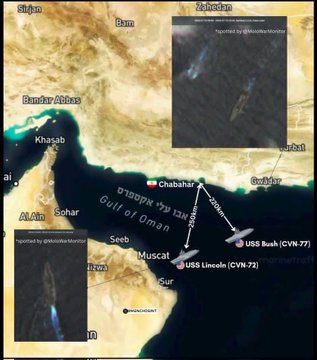
Iran Defiantly Rejects US Ultimatum, Tightens Grip on Strait of Hormuz
TEHRAN/WASHINGTON — In a bold assertion of sovereignty that sends ripples through global energy markets, Iran has directly rejected a reported US ultimatum concerning the Strait of Hormuz, declaring that the critical chokepoint will remain under its control and that any decisions regarding its future are the exclusive domain of Iran and Oman.
According to informed sources cited by Iran’s Tasnim News Agency and amplified by regional analyst account The Hormuz Letter, Tehran, dismissed claims—reportedly from Axios and US officials—that all lanes of the strait would be opened.
Instead, Iran emphasized that navigation arrangements fall solely under its purview in consultation with Oman.
This latest escalation comes against the backdrop of a tenuous ceasefire and memorandum of understanding (MoU) signed in June 2026 in Islamabad between US President Donald Trump and Iranian President Masoud Pezeshkian.
That agreement aimed to pause hostilities, facilitate sanctions relief discussions, and ensure safe passage through the strait — a vital artery carrying about one-fifth of the world’s seaborne oil trade.
The Strait of Hormuz has long been a geopolitical powder keg. Flanked by Iran to the north and Oman and the UAE to the south, it serves as the primary export route for oil from the Persian Gulf.
Past Iranian threats to close it during heightened conflicts have rattled markets, spiked oil prices, and drawn international condemnation.
Recent weeks have seen renewed friction: accusations of Iranian attacks on tankers, US retaliatory strikes, and competing narratives over ceasefire violations.
US demands for public guarantees of open, toll-free navigation clashed with Iran’s insistence on its sovereign rights and joint responsibility with Oman.
Iranian Foreign Minister Abbas Araghchi’s meetings in Oman appear aimed at reinforcing this bilateral framework, while US officials push for broader international access.
The UN’s International Maritime Organization has weighed in, with calls for member states to reject unilateral Iranian control efforts.
For millions dependent on stable energy flows — from Asian importers to European consumers and American drivers — the stakes are profoundly personal.
Higher oil prices translate to costlier fuel, inflation pressures, and economic uncertainty in already volatile times.
Seafarers trapped in the region amid slowdowns face heightened risks, as highlighted in recent UN reports.
Iranian officials frame their stance as defensive sovereignty, protecting national interests against perceived US overreach. Critics in the West and Gulf states see it as destabilizing brinkmanship that endangers global commerce.
As both sides trade claims and counterclaims, diplomats continue backchannel efforts. The fragile nature of the June MoU — already strained by mutual accusations — underscores the difficulty of lasting peace in a region scarred by decades of mistrust, proxy conflicts, and great-power rivalry.
This Hormuz standoff is more than a territorial dispute; it is a test of wills with consequences that could reshape energy geopolitics, influence nuclear negotiations, and determine whether fragile truces hold or unravel into broader confrontation.
For now, the strait remains a symbol of Iran’s strategic leverage—and a reminder that in the complex chessboard of Middle Eastern affairs, control of this narrow waterway may prove decisive in the months ahead.
Markets will watch nervously, world leaders will calculate carefully, and the people of the region will hope for de-escalation before another spark ignites wider flames.
 news
news Tinubu Set to Crush Obi, Atiku in 2027 Poll
 news
news Israel Urges Nigerian Doctors for Capacity Training Abroad
 news
news Kano Woman Stabs Boyfriend, Severs Manhood Completely
 world
world Trump Hails Court Win Over New York Times Lawsuit
 news
news Minister Hails NTA’s World-Class Studio in Tinubu Media Push
How do you feel about this news?
Community Additions
Have a news tip, correction, or extra context about this story? Post it below instantly. All submissions appear live on this screen immediately.