EFCC Cracks Down on N1.07 Billion Fuel Supply Scam in Lagos
LAGOS, Nigeria — In a significant move underscoring the Economic and Financial Crimes Commission’s (EFCC) relentless pursuit of economic predators, the agency has brought fresh charges against two individuals and their companies in a high-stakes case involving over N1.07 billion allegedly obtained through deceitful fuel supply schemes.
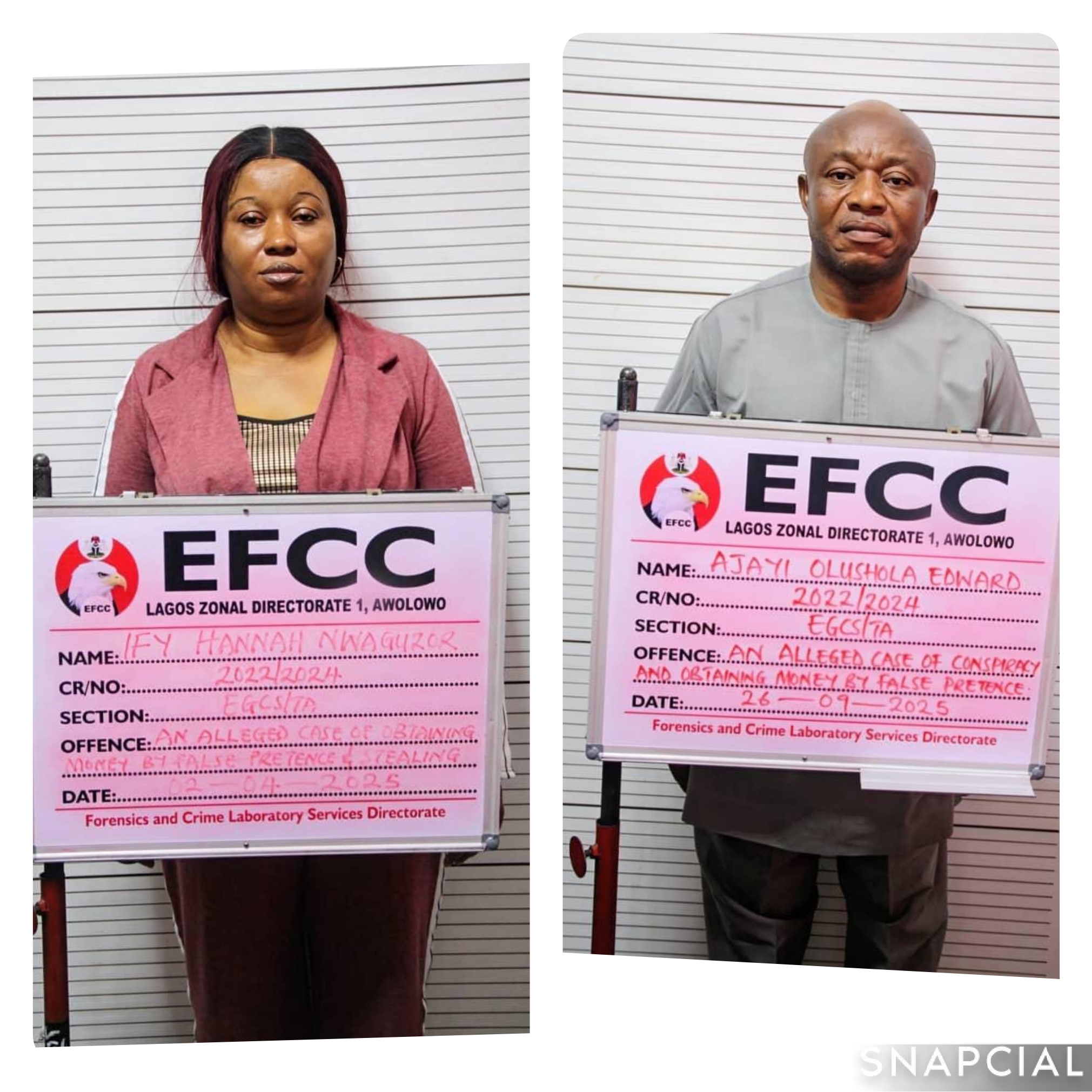
On Thursday, July 2, 2026, the EFCC’s Lagos Zonal Directorate 1 in Ikoyi re-arraigned Ajayi Edward Olushola and his firm, Hola Jay Nigeria Limited, alongside Hannah Nwaguzor Ify and Mozann Global Merchant Limited, before Justice Fadipe at the Lagos State High Court in Ikeja.
The case revolves around an alleged N986 million fraud where the defendants reportedly represented themselves as capable of supplying one million litres of Automotive Gas Oil (AGO) to victim Prince Chukwulota Bennett Onuoha on or about May 15, 2024, only to allegedly divert the funds.
Additional charges include the dishonest conversion of N84.779 million from another victim, Irene Abidemi Ifanse, in June 2025.
Ajayi Edward Olushola had previously been arraigned and granted bail. However, co-defendant Hannah Nwaguzor Ify had evaded justice until her recent arrest by EFCC operatives.
This breakthrough prompted an amended four-count charge that now includes all parties, accusing them of obtaining money by false pretence and stealing, in violation of the Advance Fee Fraud and Other Fraud Related Offences Act, 2006, and relevant sections of the Criminal Laws of Lagos State, 2011.
Mugshot images released by the EFCC show both defendants in custody, highlighting the agency’s commitment to transparency in high-profile prosecutions.
When the charges were read, all defendants pleaded “not guilty.” Prosecution counsel H. U. Kofarnaisa urged the court to remand Hannah Nwaguzor Ify, which Justice Fadipe approved. The case has been adjourned to July 7, 2026, for the commencement of trial.
Broader Context in Nigeria’s Anti-Corruption Fight
This arraignment fits into the EFCC’s ongoing crackdown on fraud schemes that prey on individuals and exploit Nigeria’s fuel and commodity sectors.
Such cases often involve “oil deals” that never materialize, leaving victims with devastating financial losses while perpetrators live lavishly.
The EFCC, established as Nigeria’s premier anti-graft body, continues to face public scrutiny and expectations.
Nigerians frequently call on the agency via social media to tackle both high-profile corruption and everyday scams, from “Yahoo boys” to sophisticated business frauds.
While successes like this one demonstrate operational effectiveness, critics argue more convictions and asset recoveries are needed to deter would-be fraudsters.
For victims like Prince Onuoha and Irene Ifanse, the proceedings offer a measure of hope that justice, though sometimes delayed, is advancing.
The case also serves as a stark warning to those contemplating similar scams: the EFCC’s net is widening.
As trial begins next week, all eyes remain on the Lagos High Court. In a country where economic crimes erode public trust and hinder development, outcomes like this carry weight far beyond the courtroom — reinforcing the rule of law and the promise of accountability in Nigeria’s bustling commercial capital.
The fight against corruption continues, one prosecution at a time.
 news
news Tinubu Set to Crush Obi, Atiku in 2027 Poll
 news
news Israel Urges Nigerian Doctors for Capacity Training Abroad
 news
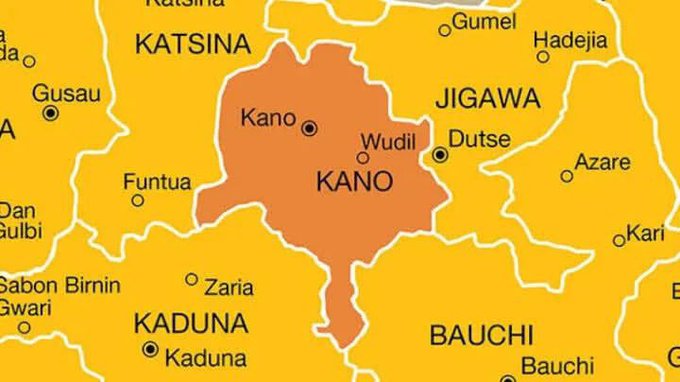
news Kano Woman Stabs Boyfriend, Severs Manhood Completely
 world
world Trump Hails Court Win Over New York Times Lawsuit
 news
news Minister Hails NTA’s World-Class Studio in Tinubu Media Push
How do you feel about this news?
Community Additions
Have a news tip, correction, or extra context about this story? Post it below instantly. All submissions appear live on this screen immediately.