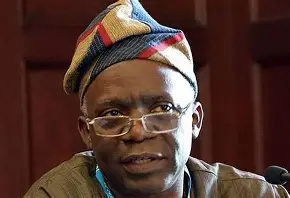
Tinubu Under Fire: Falana Demands Probe into N24bn Ghost Agency Mystery
LAGOS — In the sweltering heat of Nigeria’s political arena, where public trust in government has been stretched thin by economic woes and governance scandals, veteran human rights lawyer Femi Falana has thrown a spotlight on what could become one of the defining controversies of the Bola Tinubu administration.
On Wednesday, July 2, 2026, Falana demanded straight answers from the presidency: How did an “unknown” or “non-existent” agency receive a staggering N24 billion budgetary allocation and maintain active accounts at the Central Bank of Nigeria (CBN)?
This isn’t abstract policy debate. It’s a raw, human story of alleged bribery, forged appointments, contradictory official statements, and questions that strike at the heart of accountability in Africa’s largest economy.
The controversy swirls around the Presidential Foreign Intervention Promotion Council (PFIPC), sometimes linked in budget documents to the Presidential Economic Advisory Council.
Prince Adeniyi Adeyemi, who positioned himself as its Director-General, claims he was drawn into a shady deal involving Femi Gbajabiamila, the President’s Chief of Staff and former Speaker of the House of Representatives.
Adeyemi alleges Gbajabiamila collected N400 million through a proxy and demanded another N200 million to secure his appointment.
The breaking point, according to Adeyemi, came when Gbajabiamila allegedly sought 48% of the council’s N27.4 billion takeoff grant—roughly N13 billion—which he refused. Disagreements reportedly escalated to the point of alleged assassination threats against Adeyemi.
On June 11, 2026, the Presidency pushed back hard. Gbajabiamila’s office issued a formal disclaimer declaring the PFIPC does not exist under the Tinubu administration.
Adeyemi, they said, forged documents, impersonated government structures, and misled foreign partners and institutions. Diplomatic missions and financial bodies were warned accordingly.
Here’s where the story gets particularly troubling for ordinary Nigerians struggling with inflation and rising living costs.
Despite the disclaimer, the 2026 Appropriation Act—on pages 50 and 51—explicitly lists the Presidential Economic Advisory Council/Presidential Foreign Intervention Promotion Council under the Presidency with an allocation of N1.302 billion.
Breakdowns show heavy personnel costs (over N800 million), overheads, and capital projects, including logistics for hosting a World Investment Summit.
Falana, never one to shy from power, cut through the noise: The government must explain how such funds were budgeted and how CBN accounts were opened for an entity it now calls fictitious.
He insisted the presidency cannot self-exonerate; proper investigation by police and anti-graft bodies like the ICPC is required, with potential referral of Gbajabiamila and others.
The scandal has ignited broad reactions. Opposition leader Atiku Abubakar called for Gbajabiamila’s immediate suspension. Civil society coalitions are demanding forensic audits, full disclosure of disbursed funds, and legislative oversight. On social media and in public discourse, many see it as symptomatic of larger issues: ballooning costs of governance, weak institutional checks, and a perception that rules bend for the connected.
Defenders of the administration point to Adeyemi possibly being an opportunist engaging in impersonation.
They argue budget line items can sometimes reflect planning that gets revised or that this could be an isolated bureaucratic anomaly amid broader reform efforts.
Yet the documented allocations and CBN references make these explanations feel incomplete to many observers.
Context matters: Nigeria’s budgeting process is notoriously complex, often involving last-minute adjustments and opaque negotiations between the executive and legislature. Ghost agencies or inflated line items have plagued previous administrations too.
What elevates this case is the direct involvement of the president’s inner circle and the public contradiction between the disclaimer and documents.
Edge cases and risks: If funds were released, it raises questions of misappropriation. If not, it still points to potential manipulation in the budget process. For international investors and partners, such scandals erode confidence at a time when Nigeria is seeking foreign capital.
Domestically, it fuels cynicism among citizens already bearing the brunt of subsidy removals, currency reforms, and hardship—the very people Tinubu promised “renewed hope” to.
Falana’s call isn’t partisan grandstanding; it echoes a consistent career defending rule of law. As a veteran journalist who has covered Nigeria’s transitions from military rule to fragile democracy, I see echoes of past scandals where initial denials gave way to deeper revelations — or, sometimes, convenient silence.
President Tinubu faces a pivotal choice: Allow independent probes that could clear the air or risk the story festering and further damaging credibility.
Nigerians deserve transparency — not just press statements, but verifiable accounting, audits, and consequences where wrongdoing is found.
In the end, this isn’t merely about N24 billion, one council, or one chief of staff. It’s about whether public resources serve the people or become tools for private gain.
As Falana and others demand, the presidency must explain — fully, credibly, and soon. The court of public opinion, already skeptical, is watching intently.
 news
news Tinubu Set to Crush Obi, Atiku in 2027 Poll
 news
news Israel Urges Nigerian Doctors for Capacity Training Abroad
 news
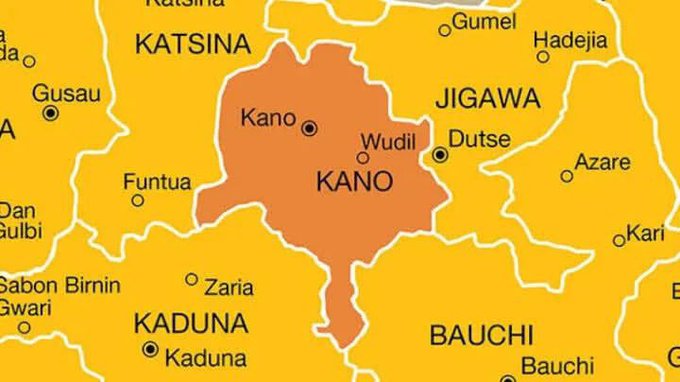
news Kano Woman Stabs Boyfriend, Severs Manhood Completely
 world
world Trump Hails Court Win Over New York Times Lawsuit
 news
news Minister Hails NTA’s World-Class Studio in Tinubu Media Push
How do you feel about this news?
Community Additions
Have a news tip, correction, or extra context about this story? Post it below instantly. All submissions appear live on this screen immediately.