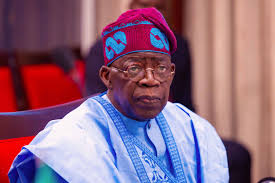
Tinubu Govt's Fraud Cover-Up Exposed in Gbajabiamila Bribery Storm
Lagos, Nigeria – July 2, 2026 - In the high-stakes arena of Nigerian presidential politics, where power, money, and public trust collide daily, a deepening scandal involving President Bola Tinubu’s Chief of Staff, Femi Gbajabiamila, has thrust the administration into a fresh credibility crisis.
At its core lies a disputed presidential advisory body, hefty government disbursements, and explosive bribery accusations that officials vehemently deny.
Fresh financial records, uncovered amid the controversy, reveal that the Presidential Economic Advisory Council (PEAC) — which the Tinubu administration now brands as entirely fictitious — received approximately N1.117 billion in funding from the State House between 2021 and 2022 under former President Muhammadu Buhari.
These payments, detailed in official transaction logs, include a May 2021 disbursement of N538.26 million and multiple 2022 approvals totaling over N639 million for the council’s “activities and operations.”
The revelations come as the Presidency insists that both the PEAC and the related Presidential Foreign Intervention Promotion Council (PFIPC) do not exist under Tinubu’s watch.
They have labeled Prince Adeniyi Adeyemi (also referred to as Adeniyi Adeyemi Matthew), who claims to head them, an impostor engaged in a sophisticated fraud scheme involving forged documents, fake appointments, and misleading government agencies.
Adeyemi has positioned himself as the Director-General of these councils, asserting they operated legitimately with office space in the Federal Secretariat, Central Bank of Nigeria accounts, and official budgetary provisions.
In a bold counter-offensive, he accused Gbajabiamila of demanding N400 million (paid via proxy) plus an additional N200 million to facilitate his appointment.
He further alleged the Chief of Staff sought 48% of the council’s proposed N27.4 billion take-off grant.
The embattled figure has called for an independent investigation, challenging the Presidency to reconcile how these “non-existent” entities secured funding, appeared in government records, and received allocations in the 2026 Appropriation Act — which reportedly earmarks over N1.3 billion for the PEAC, covering personnel costs, overheads, capital projects, and events like the World Investment Summit.
In response, the Presidency, through Special Adviser Bayo Onanuga, has mounted a robust defense.
Officials state that Gbajabiamila himself triggered investigations in October 2025 after discovering forged documents bearing falsified signatures and seals from his office.
Adeyemi faces trial in Federal High Court on charges related to these activities, with authorities claiming he misled the Accountant-General’s office and other institutions.
The administration portrays Adeyemi’s bribery claims as retaliatory fabrications made after his arrest and bail, designed to deflect from a larger fraud syndicate.
They emphasize that no such appointments were made and warn the public against engaging with the purported councils.
This saga unfolds against Nigeria’s persistent challenges with governance transparency, public sector accountability, and economic reform.
Advisory councils have long played roles in policy under various administrations — a prior PEAC existed under Buhari — but the current dispute highlights vulnerabilities in oversight, document authentication, and inter-agency coordination.
Critics, including legal heavyweight Femi Falana (who has offered to defend Adeyemi), question how a supposedly fake entity could navigate bureaucratic hurdles to secure substantial budgets and banking facilities.
Supporters of the administration see it as a timely crackdown on opportunists exploiting government symbols for personal gain.
Public discourse on social media and in traditional outlets reflects deep polarization.
Some view the payment records as evidence of inconsistency or a deliberate cover-up to shield a powerful insider.
Others argue the focus should remain on prosecuting fraud while safeguarding the Presidency’s integrity.
As the story evolves, several nuances demand scrutiny: How were funds released under previous administrations reconciled (or not) with current disclaimers? What internal controls failed to flag the alleged forgeries earlier?
And in a nation grappling with economic hardship, what does this episode signal about the use — or misuse — of public resources?
Veteran observers note that such high-profile clashes often transcend individual allegations, testing the administration’s commitment to anti-corruption rhetoric amid ongoing public skepticism.
President Tinubu has repeatedly vowed zero tolerance for graft, yet incidents like this fuel perceptions of elite impunity.
For now, the Presidency maintains a firm stance: the councils are fake, the accuser is facing justice, and Gbajabiamila acted appropriately as a whistleblower.
Adeyemi, operating from hiding according to some reports, continues to press for transparency and forensic review of official documents.
This unfolding drama serves as a stark reminder of the delicate balance between administrative vigilance and the risk of politicized scandals in Nigeria’s complex political landscape.
Further developments, including court proceedings and any independent probes, will likely shape its ultimate impact on public trust.
 news
news Tinubu Set to Crush Obi, Atiku in 2027 Poll
 news
news Israel Urges Nigerian Doctors for Capacity Training Abroad
 news
news Kano Woman Stabs Boyfriend, Severs Manhood Completely
 world
world Trump Hails Court Win Over New York Times Lawsuit
 news
news Minister Hails NTA’s World-Class Studio in Tinubu Media Push
How do you feel about this news?
Community Additions
Have a news tip, correction, or extra context about this story? Post it below instantly. All submissions appear live on this screen immediately.