Nigeria Launches DNEMIS: Data Revolution to Rescue Ailing Education Sector
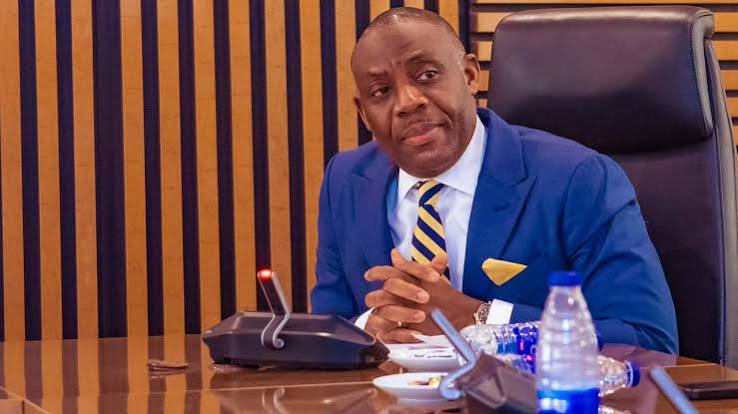
Abuja, July 2, 2026 – In a significant push to modernize Nigeria’s troubled education system, the Federal Government on Wednesday officially unveiled the Digitalized Nigeria Education Management Information System (DNEMIS), a comprehensive national data platform designed to deliver reliable, near real-time information on schools, learners, teachers, and infrastructure across the country.
The launch, which took place in Abuja with the inauguration of State DNEMIS Coordination Teams, marks a pivotal milestone in President Bola Ahmed Tinubu’s Renewed Hope Agenda and the Nigeria Education Sector Renewal Initiative (NESRI).
It replaces the outdated, paper-based Annual School Census with a modern, digital system capable of supporting evidence-based decision-making, equitable resource allocation, and targeted interventions.
Speaking at the event, the Honorable Minister of Education, Dr. Maruf Tunji Alausa, CON, described DNEMIS as a “game-changing reform.”
He emphasized, “You have to get the data right. Data allows us to monitor, design interventions, evaluate outcomes, and plan proactively for the future. Without credible data, meaningful development is impossible.”
According to the Minister, Nigeria currently has 213,235 schools. As of the launch, DNEMIS has captured data on 124,548 of them—representing 58.4% national coverage.
The platform already documents more than 40 million learners, 1.19 million teachers, over 730,000 classrooms, and more than 607,000 sanitation facilities, making it the country’s most comprehensive education database.
Every school has been geo-mapped and assigned a unique identification number. Learners will receive a 16-digit Learner Identification Number (LIN) linked to their National Identification Number (NIN) for seamless tracking throughout their educational journey.
Preliminary data from the platform reveals stark transition gaps: enrollment drops sharply from about 24 million pupils in primary schools to roughly 4.2 million students in senior secondary schools.
These insights, Dr. Alausa noted, will inform targeted policy interventions and discussions at the upcoming National Council on Education.
DNEMIS is engineered to function both online and offline, with solar-powered digital centres being established nationwide to support implementation in remote areas.
President Tinubu has approved a first-line budget charge to sustain the system and other critical digital education infrastructure.
The Minister called on state governments, local education authorities, and private school proprietors to fully participate, stressing that the exercise is strictly for planning and development—not taxation or revenue generation.
Development partners including UNICEF, the World Bank, the European Union, the Foreign, Commonwealth, and Development Office (FCDO), the Government of Norway, and the University of Oslo have provided technical and financial support.
Stakeholders welcomed the initiative warmly. The National President of the Nigeria Union of Teachers (NUT), Comrade Audu Titus Amba, described it as a landmark reform that will improve teacher deployment, governance, transparency, and accountability.
UNICEF’s Chief of Education in Nigeria, Ms. Vanessa Lee, reaffirmed the agency’s commitment to ensuring every learner receives a unique ID and benefits from quality, inclusive education.
For decades, Nigeria’s education sector has grappled with fragmented, unreliable data, contributing to persistent challenges such as over 10 million out-of-school children, high dropout rates, and inefficient resource allocation.
DNEMIS, built on platforms like DHIS2, aims to change that by creating a single source of truth for policymakers, researchers, and educators.
The event concluded with the unveiling of the public DNEMIS dashboard, which will provide accessible, credible data to strengthen planning and monitoring.
The Federal Ministry of Education pledged continued collaboration with all stakeholders to ensure full coverage and long-term sustainability.
As Nigeria confronts deep-rooted issues in its education system — from infrastructure deficits to learning poverty — DNEMIS represents a pragmatic, technology-driven step toward accountability and results.
Whether it delivers on its ambitious promise will depend on sustained political will, state-level buy-in, and effective implementation in the months and years ahead.
For now, the message from Abuja is clear: better data for better outcomes. Nigeria’s students, teachers, and schools may finally have the transparent, responsive system they have long deserved.
news Tinubu Set to Crush Obi, Atiku in 2027 Poll
 news
news Israel Urges Nigerian Doctors for Capacity Training Abroad
 news
news Kano Woman Stabs Boyfriend, Severs Manhood Completely
 world
world Trump Hails Court Win Over New York Times Lawsuit
 news
news Minister Hails NTA’s World-Class Studio in Tinubu Media Push
How do you feel about this news?
Community Additions
Have a news tip, correction, or extra context about this story? Post it below instantly. All submissions appear live on this screen immediately.