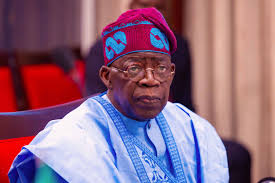
Tinubu Hands ₦1.7 Trillion Road Deal to Abacha-Era Convict Ally
Lagos, Nigeria– In a move sparking widespread outrage and fresh questions about cronyism in high places, President Bola Ahmed Tinubu’s administration has awarded a massive ₦1.7 trillion (approximately $1.2 billion) contract for Section Two of the ambitious Sokoto–Badagry Superhighway to Hitech Construction Company Limited, owned by Lebanese-Nigerian billionaire Gilbert Chagoury.
The decision, approved recently as part of broader efforts to link northern and southern Nigeria through a 1,000-plus kilometre infrastructure corridor, comes at a time of acute economic hardship for millions of Nigerians.
It positions Chagoury’s firm as a dominant player in the Tinubu government’s signature road projects, including major sections of the contentious Lagos-Calabar Coastal Highway.
A Veteran Builder or Controversial Insider?
Government officials, led by Minister of Works Senator David Umahi, have defended the award. They point to Hitech’s technical expertise, fleet of modern equipment, and proven track record in delivering large-scale concrete pavement roads.
Earlier phases of the Sokoto-Badagry project are already underway in Sokoto and Kebbi states, with the new section expected to boost trade, agriculture, and connectivity across multiple states.
Yet Chagoury’s past casts a long shadow. In 2000, Swiss authorities convicted him of money laundering tied to funds looted by the late military dictator Sani Abacha.
He paid penalties and reportedly returned tens of millions of dollars to Nigeria as part of the resolution. He also reached a deferred prosecution agreement with U.S. authorities over illegal campaign contributions, paying a $1.8 million fine.
Chagoury has long been a close business associate of Tinubu, dating back to the president’s time as Lagos governor.
Critics argue the repeated awarding of billion-dollar contracts to his companies—without apparent competitive public bidding in this case—raises serious concerns about transparency and favoritism.
Public Backlash and Calls for Accountability
Social media erupted following the announcement, with many Nigerians decrying what they see as a continuation of elite capture.
“Birds of a feather,” one user wrote, while others questioned why a figure with such a history continues to secure the nation’s largest infrastructure deals.
Opposition voices and ordinary citizens have pointed to the absence of open bidding as a potential violation of public procurement rules.
Some have called on the National Assembly to intervene, warning that such practices erode public trust at a moment when everyday Nigerians grapple with inflation, fuel costs, and widespread insecurity.
Supporters of the administration counter that legacy projects like the Sokoto-Badagry Superhighway represent bold vision for national integration and long-term economic growth, arguing that experienced contractors are essential for delivery on such complex undertakings.
The Sokoto-Badagry project is one of several flagship infrastructure initiatives under Tinubu’s “Renewed Hope” agenda, designed to revive neglected trade routes and stimulate development from the Sahel fringes to the Atlantic coast. Proponents highlight its potential to transform logistics and create jobs.
However, the optics of entrusting such a colossal sum to a figure indelibly linked to one of Nigeria’s most notorious looting eras have fueled accusations of impunity.
As one commentator put it bluntly in replies to the original report, experienced hands in moving money may not be the ideal choice for building the nation’s future.
As Nigeria heads toward another election cycle, this latest contract award is likely to intensify debates over governance, transparency, and whether public resources are truly being deployed in the service of ordinary citizens—or a select few insiders.
 news
news Tinubu Set to Crush Obi, Atiku in 2027 Poll
 news
news Israel Urges Nigerian Doctors for Capacity Training Abroad
 news
news Kano Woman Stabs Boyfriend, Severs Manhood Completely
 world
world Trump Hails Court Win Over New York Times Lawsuit
 news
news Minister Hails NTA’s World-Class Studio in Tinubu Media Push
How do you feel about this news?
Community Additions
Have a news tip, correction, or extra context about this story? Post it below instantly. All submissions appear live on this screen immediately.