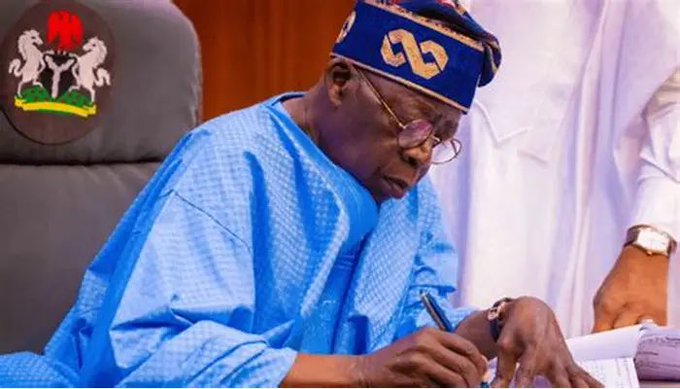
FEC Approves ₦3.94 Trillion Road Revolution Across Nigeria
Abuja, Nigeria - In a decisive move aimed at addressing Nigeria’s long-standing infrastructure deficits, the Federal Executive Council (FEC), presided over by President Bola Ahmed Tinubu, has approved a sweeping package of road projects valued at approximately ₦3.94 trillion.
This ambitious initiative, announced on Monday, June 29, 2026, signals a renewed federal commitment to enhancing connectivity, boosting economic activity, and supporting industrial growth across multiple states.
The approvals, primarily driven by the Federal Ministry of Works under Minister David Umahi, encompass a broad range of interventions designed to tackle dilapidated highways, improve access in underserved regions, and accommodate heavy industrial traffic. Key highlights include:
23 road projects across 10 states (Adamawa, Taraba, Ebonyi, Kwara, Cross River, Kogi, Lagos, Niger, Oyo, and Plateau) totaling around ₦2.078 trillion. These projects aim to rehabilitate and construct vital arterial roads that will ease transportation bottlenecks and stimulate local economies.
A landmark 409 km dual carriageway in Niger State, awarded to the Dangote Group under the tax credit scheme at a cost of ₦1.8325 trillion. This reinforced concrete project replaces an earlier 2022 contract and is expected to deliver superior durability for heavy-duty use, aligning with major industrial investments along the corridor. Minister Umahi emphasized collaboration with President Tinubu to fast-track execution through private sector involvement.
Targeted augmentations, such as a ₦15 billion project for 32.2 km of road in Gashua, Yobe State, and an additional ₦15.246 billion for the second phase of the Yola-Fufore-Gurin Road in Adamawa State (adding 20 km).
Lagos-Ibadan Expressway enhancements, including operation and maintenance concessions plus reconstruction of the failed Ibadan approach using reinforced concrete.
These road approvals form part of a larger FEC package exceeding ₦4.26 trillion when combined with maritime safety and aviation projects, such as a ₦286 billion maritime initiative and ₦34.4 billion for the Gboko airstrip.
Nigeria’s road network has long suffered from underinvestment, poor maintenance, and the ravages of heavy rainfall and overuse, contributing to accidents, delayed goods movement, and hampered economic productivity.
This approval comes amid ongoing efforts by the Tinubu administration to prioritize infrastructure as a cornerstone of economic recovery and diversification.
The involvement of the Dangote Group via the tax credit scheme is particularly noteworthy. It reflects a public-private partnership model where corporate entities advance funds for critical projects in exchange for tax offsets.
This approach not only leverages private capital but also aims to accelerate delivery and ensure higher-quality, more resilient infrastructure suited to Nigeria’s industrial ambitions.
For residents in beneficiary states, the projects promise shorter travel times, safer journeys, better market access for farmers and businesses, and potential job creation during construction phases.
On a national scale, improved roads could lower logistics costs, attract investment, and support broader goals like food security and regional integration.
While the scale of these approvals is impressive, veteran observers note that Nigeria has seen grand announcements before.
Past projects have sometimes faced delays due to funding gaps, contractor performance issues, or shifting political priorities.
As one social media commenter aptly observed, “Almost 4 trillion naira approved on paper, and Nigerians know the real test is whether contractors actually show up before the next election cycle resets the conversation.”
Key considerations moving forward include:
Transparent procurement and oversight** to prevent cost overruns or substandard work.
Timely funding disbursement and effective project monitoring.
Community engagement** to minimize disruptions and maximize local benefits.
Sustainability, ensuring designs account for climate resilience and long-term maintenance.
Minister Umahi’s briefing to State House correspondents underscored the government’s focus on execution, but delivery will ultimately determine success.
This FEC decision represents more than numbers on a balance sheet—it embodies hope for millions of Nigerians who endure pothole-riddled roads daily.
From the bustling corridors of Lagos to the agrarian communities in Adamawa and Niger State, better infrastructure could unlock economic potential and improve quality of life.
As President Tinubu’s administration presses ahead with its infrastructure agenda, the coming months will be telling. Will these approvals translate into visible progress on the ground? Nigerians, ever resilient yet pragmatic, will be watching closely.
In the words of those familiar with the nation’s development journey, sustained political will and accountability remain the true drivers of lasting change.
 news
news Tinubu Set to Crush Obi, Atiku in 2027 Poll
 news
news Israel Urges Nigerian Doctors for Capacity Training Abroad
 news
news Kano Woman Stabs Boyfriend, Severs Manhood Completely
 world
world Trump Hails Court Win Over New York Times Lawsuit
 news
news Minister Hails NTA’s World-Class Studio in Tinubu Media Push
How do you feel about this news?
Community Additions
Have a news tip, correction, or extra context about this story? Post it below instantly. All submissions appear live on this screen immediately.