Trump Hails Iran Breakthrough as Record Oil Flows Through Hormuz Strait
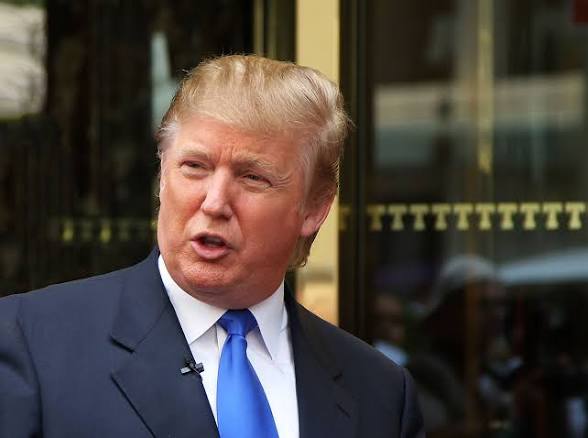
In a confident address captured on video as he walked under an umbrella amid overcast skies, President Donald Trump declared significant progress in U.S. relations with Iran, framing it as a major victory for American interests, global energy markets, and regional stability.
“We’re doing very well with Iran,” Trump stated. “They’ve been decimated, and we’re making a deal with them. Yesterday, we had 19M barrels of oil come out—and that’s the biggest in the history of the Hormuz Strait. Our stock market is through the roof and oil prices are tumbling.”
This latest statement comes against the backdrop of the 2026 Strait of Hormuz crisis, part of broader U.S.-Iran tensions that escalated earlier in the year.
In February 2026, U.S. and Israeli strikes targeted Iranian military sites and leadership, prompting Iranian retaliation, including threats and actions to disrupt shipping through the critical chokepoint.
The Strait of Hormuz, through which roughly one-fifth of global oil typically passes, saw flows plummet during the height of tensions, driving oil prices above $110–$120 per barrel at peaks and raising fears of broader energy shocks.
A memorandum of understanding (MOU) signed around June 17, 2026, between the U.S. and Iran aimed to end hostilities, reopen the strait, extend a ceasefire (including in Lebanon), and set a 60-day framework for further negotiations on nuclear issues, sanctions relief, and inspections.
Mediators like Qatar and Pakistan reported productive talks in Switzerland, with technical discussions ongoing. The U.S. lifted its naval blockade, waived some sanctions temporarily, and Trump publicly urged ships to “start your engines” to resume oil flows.
Trump’s assertion of a record 19 million barrels on Monday (June 22) aligns with reports of rebounding traffic post-MOU. Pre-crisis daily averages hovered around 20–21 million barrels, but wartime disruptions dropped volumes sharply to as low as 3–4 million at times.
Recent days saw increases to around 17 million, with Trump’s figure marking a notable post-conflict high—though some observers note it remains near or slightly below historical norms on a “good” day.
Independent verification of the exact daily figure is limited in real time, as tanker tracking involves complexities like vessel movements, insurance, and routing.
However, markets have responded positively: oil prices have tumbled (Brent crude nearing $78 and WTI around $73 in recent trading), easing inflationary pressures and promising relief at the pump for consumers. U.S. stock markets have also benefited from the de-escalation narrative.
Critics, including some in replies to the original post and analysts, point out that flows were already recovering and question hyperbolic language about Iran being “decimated.”
Others highlight ongoing disputes—such as differing U.S. and Iranian interpretations of nuclear inspection commitments and asset releases—and note the fragility of the 60-day window.
This development represents a pragmatic, if interim, shift from military confrontation to negotiated de-escalation.
For the U.S., it underscores Trump’s “America First” deal-making approach: leveraging military pressure and diplomacy to secure energy security and lower prices without prolonged entanglement.
For Iran, reopening the strait and sanctions relief offer economic breathing room amid domestic challenges. Regionally, reduced tensions in the Gulf and Lebanon could aid recovery, though underlying issues—nuclear ambitions, proxy conflicts, and Israeli concerns—persist.
Veteran observers caution that while the immediate energy relief is tangible, long-term success hinges on the next 60 days of talks.
Edge cases include potential spoilers from hardliners on either side, verification of compliance, or renewed disruptions.
Yet the human angle is clear: lower energy costs ripple through households and businesses worldwide, while averted escalation spares lives in a volatile region.
As markets digest the news and diplomats grind forward, Trump’s upbeat assessment captures a moment of cautious optimism.
The world watches to see if this oil “gusher” signals lasting calm—or merely a temporary reprieve in one of the planet’s most combustible corridors.
 news
news Tinubu Set to Crush Obi, Atiku in 2027 Poll
 news
news Israel Urges Nigerian Doctors for Capacity Training Abroad
 news
news Kano Woman Stabs Boyfriend, Severs Manhood Completely
 world
world Trump Hails Court Win Over New York Times Lawsuit
 news
news Minister Hails NTA’s World-Class Studio in Tinubu Media Push
How do you feel about this news?
Community Additions
Have a news tip, correction, or extra context about this story? Post it below instantly. All submissions appear live on this screen immediately.