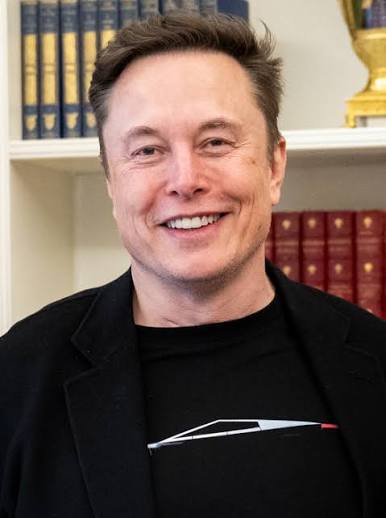
Elon Musk Becomes World's First Trillionaire Following SpaceX Blockbuster IPO
In a milestone that blurs the line between ambition and reality, Elon Musk has crossed into historic territory.
The SpaceX IPO, one of the largest in financial history, has propelled the entrepreneur’s net worth past $1 trillion, making him the first person on Earth to reach that once-unimaginable threshold.
SpaceX priced its shares at $135 each in the record-breaking offering, raising approximately $75 billion and valuing the company at roughly $1.8 trillion.
When trading opened on the Nasdaq under the ticker SPCX, the stock surged as much as 30 percent in early trading before settling higher, pushing Musk’s combined holdings in SpaceX and Tesla over the trillion-dollar mark.
The journey to this moment reads like a masterclass in high-stakes conviction.
SpaceX, founded in 2002, faced repeated early failures — three explosive launch attempts before its first successful orbital flight.
Musk poured personal fortune and relentless focus into the company while simultaneously building Tesla.
Today, SpaceX dominates global rocket launches, operates the profitable Starlink satellite internet constellation, and pursues ambitious goals that once sounded fantastical, including Mars colonization.
The IPO rewards not only Musk but thousands of employees whose equity stakes turned many into millionaires overnight.
It also reflects investor enthusiasm for a business blending proven revenue streams with bold bets on humanity’s multi-planetary future and emerging space-based infrastructure.
Not everyone is celebrating without reservation. Critics point out that much of Musk’s fortune remains “paper wealth” — tied to volatile stock prices rather than liquid cash.
SpaceX’s sky-high valuation rests heavily on future expectations around Starlink growth, potential AI-related ventures, and long-term Mars ambitions, even though current annual revenue sits well below what traditional valuation models might justify for a $2 trillion company.
Some analysts draw parallels to the dot-com era, where hype and promise drove extraordinary multiples before reality tested many companies.
Others argue this moment simply validates Musk’s long-held belief that solving big problems at scale can generate extraordinary returns.
To put the number in human terms: spending $1 million every single day would take Musk more than 2,700 years to exhaust his fortune.
He could theoretically fund NASA’s entire annual budget dozens of times over or underwrite massive global infrastructure projects.
Yet Musk has often spoken of wealth as a tool for accelerating human progress rather than personal luxury — a philosophy that continues to divide opinion between those inspired by his risk-taking and those concerned about extreme wealth concentration in the hands of a few tech visionaries.
On social platforms, the news sparked a mix of awe, humor, and skepticism. Some celebrated the sheer scale of ambition realized.
Others questioned whether such valuations reflect sustainable value or speculative fervor.
In Nigeria and across emerging markets, the story resonated as both inspiration — proof that bold ideas can rewrite economic rules — and a reminder of the vast gaps between individual ingenuity and systemic challenges at home.
SpaceX’s public debut marks more than one man’s balance sheet. It signals a new era where private companies are shaping humanity’s reach beyond Earth at unprecedented speed and scale.
It also intensifies debates about how societies should tax, regulate, and relate to extreme wealth generated by transformative technologies.
Whether this trillionaire milestone proves a fleeting market moment or the start of a sustained new chapter in innovation depends on execution — delivering on Starlink’s promise, advancing reusable rocket technology, and turning ambitious timelines into reality.
For now, the numbers speak clearly: the man who once risked everything on rockets that kept exploding has built something that, at least on paper and in the eyes of investors today, has made him the wealthiest individual in recorded history.
The story of what he does with that position — and whether the market continues to believe — is only beginning.
 politics
 Adebayo Challenges Tinubu: Where Is Subsidy Money? Come Out and Account for It
 politics
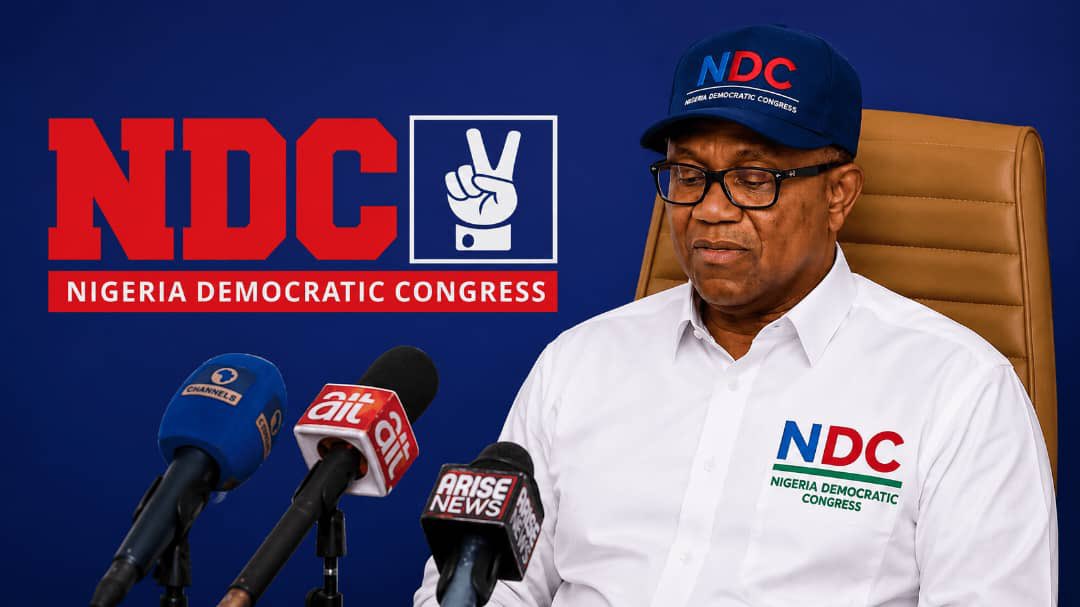
 NDC Wins Logo Battle as Abuja Court Orders INEC to Use Modified Design
 news
news Atiku Exposes Tinubu’s FAAC Scam: Bigger Naira, Poorer Nigerians
 news
news Police Arrest Hafsat Abubakar Over Fake Fintech Shutdown Document Circulated Online
 politics
 Sowore Declares Peter Obi Yelwata Blockade Government-Sponsored Political Attack
How do you feel about this news?
Community Additions
Have a news tip, correction, or extra context about this story? Post it below instantly. All submissions appear live on this screen immediately.