ADC Drama: Amaechi Has Zero Ties to Bala’s Rebel Faction
Abuja, Nigeria – June 13, 2026 – In the fractious world of Nigerian opposition politics, where personal ambitions and strategic maneuvers often collide, a fresh wave of allegations has surfaced — only to be swiftly and emphatically debunked.
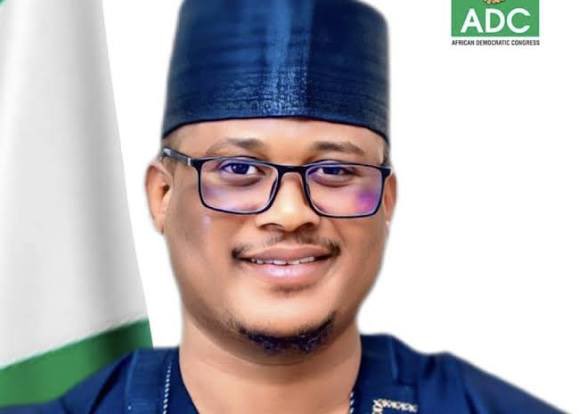
Hon. Sultan Ahmed Bello, former National Youth Leader of the African Democratic Congress (ADC) and a House of Representatives aspirant for Tarauni Local Government Area in Kano State, has categorically rejected claims by Nafiu Bala Gombe that former Rivers State Governor and ex-Minister of Transportation, Rotimi Chibuike Amaechi, reached out to him for assistance in securing a presidential ticket within Bala’s faction.
In a sharply worded statement posted on X late Friday, Bello described the assertion as “false and misleading.” He stressed that “no such contact was made” and that Amaechi “has no involvement with or connection to such matters.” He urged Nigerians to disregard the claim as baseless misinformation designed to stir unnecessary controversy.
The Anatomy of a Persistent Crisis
The ADC, once envisioned as a formidable platform for a broad opposition coalition against the ruling All Progressives Congress (APC), continues to grapple with debilitating leadership disputes that have persisted since mid-2025.
Senator David Mark leads the faction officially recognized by the Independent National Electoral Commission (INEC).
This group successfully held nationwide presidential primaries in May 2026, producing former Vice President Atiku Abubakar as the candidate after a contest that included Amaechi and economist Mohammed Hayatu-Deen.
Bala, a former Deputy National Chairman and 2023 Gombe governorship candidate, has positioned himself at the helm of a rival faction.
He has led protests at INEC headquarters, pursued legal challenges, and at times declared himself interim or acting national chairman.
These parallel structures have triggered court battles, mutual expulsions, and public recriminations, with the Supreme Court recently restoring the David Mark-led executive on the INEC portal by vacating earlier status quo orders.
The crisis reflects deeper fault lines: questions of legitimacy, accusations of external interference (including claims that Bala may be influenced by the APC), and the perennial challenge of subordinating personal and regional interests to party unity.
Amaechi’s Position and the “AA” Ticket Speculation
Amaechi, a battle-hardened politician with a reputation for forthrightness forged during his time as governor and minister, joined the ADC in early 2026 after exiting the APC.
His participation in the Mark-led primaries signaled serious presidential ambitions, though reports suggest he harbored reservations about aspects of the process.
Sultan Bello, who has publicly championed an Atiku-Amaechi alliance, recently amplified rumors of a formidable “AA” ticket — Atiku for president and Amaechi as running mate — positioning it as a blend of northern political experience and southern dynamism.
Bello’s latest intervention appears aimed at shielding Amaechi’s image from factional mudslinging and reinforcing loyalty to the recognized leadership.
Public reactions to Bello’s post have been telling: a mix of skepticism, humor (one user quipped about language barriers between Amaechi and Bala), staunch defenses of the Atiku-Amaechi pairing, and dismissals of the episode as internal “family matter” drama.
Broader Implications for 2027
As Nigeria marches toward the 2027 general elections, the ADC’s internal turmoil raises serious questions about the opposition’s readiness to mount a credible challenge.
Fragmentation weakens collective strength, erodes public confidence, and risks playing into the hands of the incumbent APC.
Veteran observers note that while high-profile names like Atiku, Amaechi, Peter Obi (who has since explored other options), and others bring experience and visibility, unresolved leadership rifts and propaganda wars could prove more damaging than any external threat.
Legal clarity from the courts and INEC recognition provide some stability to the Mark-led faction, but sustained unity remains elusive.
Sultan Bello’s intervention, coming from a youthful voice within the party who once had ties to the rival camp before realigning, underscores a broader truth in Nigerian politics: clarity, discipline, and verifiable facts are essential antidotes to the chaos of misinformation.
This episode is far from the last chapter in the ADC saga. As aspirants, strategists, and ordinary citizens watch closely, the party’s ability to transcend personal rivalries and present a cohesive front will likely determine whether it becomes a genuine vehicle for change — or another footnote in the country’s long history of opposition disunity.
 politics
 Adebayo Challenges Tinubu: Where Is Subsidy Money? Come Out and Account for It
 politics
 NDC Wins Logo Battle as Abuja Court Orders INEC to Use Modified Design
 news
news Atiku Exposes Tinubu’s FAAC Scam: Bigger Naira, Poorer Nigerians
 news
news Police Arrest Hafsat Abubakar Over Fake Fintech Shutdown Document Circulated Online
 politics
 Sowore Declares Peter Obi Yelwata Blockade Government-Sponsored Political Attack
How do you feel about this news?
Community Additions
Have a news tip, correction, or extra context about this story? Post it below instantly. All submissions appear live on this screen immediately.