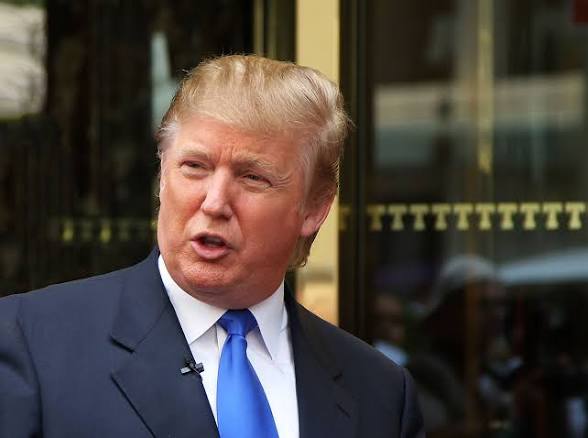
Trump Vows Fresh Strikes on Iran as Peace Talks Stall
Washington, June 10, 2026 — President Donald Trump has vowed that the United States will resume military attacks on Iran, blaming slow progress in negotiations to end the ongoing war and the recent downing of a US Army helicopter near the Strait of Hormuz.
In a post on his Truth Social platform and subsequent comments, Trump accused Tehran of dragging its feet on a deal he described as “fully negotiated,” warning that Iran “has taken too long” and will now “have to pay the price.”
He indicated that US forces could once again target critical Iranian infrastructure, including power plants and bridges, as diplomacy falters.
The announcement comes amid a fresh round of strikes and counter-strikes that have shattered a fragile ceasefire reached in April 2026.
The United States carried out attacks on Iranian targets in response to the helicopter incident, while Iran launched retaliatory strikes on US bases in Jordan, Bahrain, and Kuwait.
Explosions were reported in multiple locations around the Strait of Hormuz, damaging water reservoirs and cutting off drinking water to at least 20,000 civilians in southern Iran.
A Fragile Ceasefire Under Strain
The war between Iran and a US-backed Israeli coalition has dragged on for months, marked by cycles of escalation and brief pauses.
The April ceasefire was intended to open the door for serious negotiations, but both sides have accused each other of violations.
Iran struck an Israeli air base in northern Israel on Sunday, while the US responded to the helicopter downing — which Washington claims was caused by an Iranian drone — with what officials described as “self-defense” strikes.
Trump has repeatedly claimed that a comprehensive deal is within reach, insisting that “all [Iran] has to do is start signing a paper.”
Iranian officials, however, say they are reviewing their position in light of the renewed US strikes and what they call ceasefire violations.
Iranian President Masoud Pezeshkian has called for moving beyond the current “state of neither war nor peace.”
Human Cost and Regional Fallout
Beyond the military exchanges, ordinary Iranians are already feeling the impact. The strikes on water infrastructure have left thousands without reliable access to drinking water, forcing emergency measures such as tanker deliveries.
The estimated damage to the reservoirs stands at around $795,000.
The Strait of Hormuz — a critical chokepoint for global oil shipments — remains under strain, contributing to elevated oil prices.
Brent crude hovered around $91.65 per barrel as markets watched the escalating tensions with concern.
Regional powers have urged restraint. Egypt, the UAE, Qatar, Kuwait, and the Arab League have all condemned Iran’s strikes on US bases as dangerous escalations, while calling for a return to diplomacy.
Qatari mediators are currently in Tehran attempting to bridge gaps between the two sides.
A High-Stakes Gamble on Diplomacy and Force
Trump’s latest warning reflects a familiar pattern: using the threat of overwhelming military pressure to force a negotiated settlement.
Yet with each new round of strikes, the risks of broader regional war grow. The downing of the Apache helicopter and Iran’s retaliatory actions have injected fresh urgency — and fresh danger — into talks that were already moving slowly.
As the world watches, the question remains whether this latest escalation will finally push both sides toward signing a deal, or whether the cycle of strikes and counter-strikes will spiral further out of control.
For now, the guns are speaking louder than the diplomats.
 politics
 Adebayo Challenges Tinubu: Where Is Subsidy Money? Come Out and Account for It
 politics
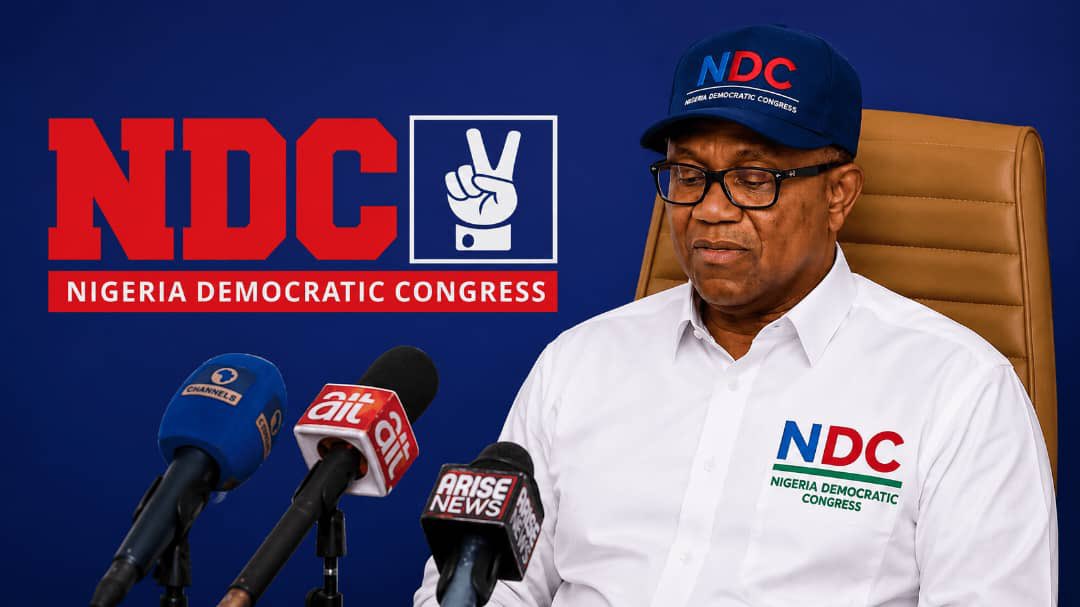
 NDC Wins Logo Battle as Abuja Court Orders INEC to Use Modified Design
 news
news Atiku Exposes Tinubu’s FAAC Scam: Bigger Naira, Poorer Nigerians
 news
news Police Arrest Hafsat Abubakar Over Fake Fintech Shutdown Document Circulated Online
 politics
 Sowore Declares Peter Obi Yelwata Blockade Government-Sponsored Political Attack
How do you feel about this news?
Community Additions
Have a news tip, correction, or extra context about this story? Post it below instantly. All submissions appear live on this screen immediately.