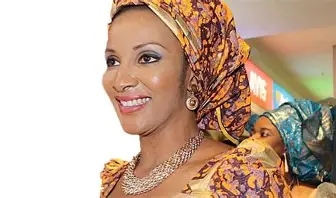
You Owe Us Remembrance, Not Rejection — Nigeria’s Foreign Minister Calls Out South Africa
In an emotionally charged statement that has stirred deep reflection across the continent, Nigeria’s Foreign Minister, Bianca Ojukwu, has openly expressed Nigeria’s profound disappointment with South Africa over the persistent wave of xenophobic attacks targeting African migrants.
Speaking to journalists, Minister Bianca-Ojukwu laid bare the sense of betrayal felt by millions of Nigerians who once viewed South Africa as a brother nation bound by shared history and sacrifice.
“Nigeria is not happy,” she declared firmly.
“Nigeria has sacrificed much for the South African struggle for independence. Nigeria sacrificed quite a lot—committed funds and committed resources to aid South Africa.
“In schools, seats were reserved for South African students. My own generation, we carried placards. We demonstrated in front of South African assets.”
Nigeria’s contribution to the anti-apartheid struggle remains one of the most remarkable chapters in modern African history. While South Africa battled white minority rule, Nigeria did not hesitate.
Successive governments committed substantial financial and material resources. Nigerian universities reserved admission slots for South African exiles.
Students and citizens took to the streets in protest, often at great personal risk, amplifying the global campaign against apartheid.
Today, that historic goodwill is being severely tested. Repeated xenophobic violence in South Africa has left Nigerian nationals and other African migrants vulnerable, triggering outrage back home and raising uncomfortable questions about reciprocity, gratitude, and the true meaning of Pan-African brotherhood.
Minister Ojukwu’s remarks serve as more than diplomatic protest—they are a moral challenge.
They force both nations, and indeed the wider continent, to confront a painful paradox: How can a country that benefited so deeply from African solidarity now become a place where fellow Africans are attacked simply for seeking opportunities?
As tensions rise, many analysts see this moment as a critical test for regional unity. Nigeria, long celebrated as the Giant of Africa, is not demanding vengeance—it is asking for remembrance, respect, and responsibility.
Will South Africa heed this emotional appeal and take firmer steps to protect foreign nationals and uphold the ideals it once fought for? Or will historical memory continue to fade in the face of domestic frustrations?
The minister’s words linger as a sobering reminder: True friendship is not one-sided. The sacrifices of the past must inform the actions of the present if the dream of a united and prosperous Africa is to survive.
 politics
 Adebayo Challenges Tinubu: Where Is Subsidy Money? Come Out and Account for It
 politics
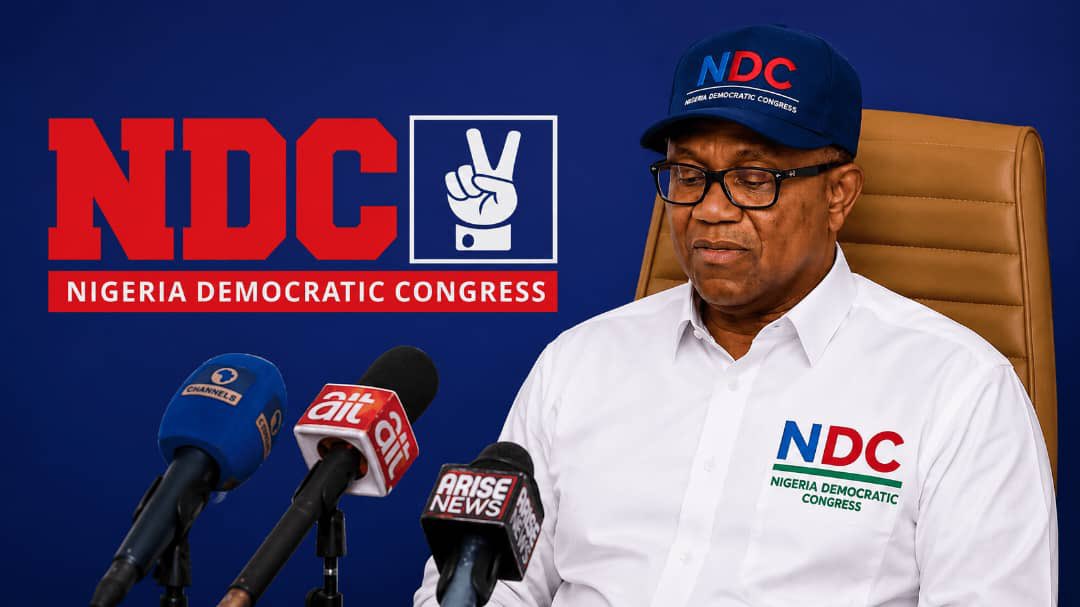
 NDC Wins Logo Battle as Abuja Court Orders INEC to Use Modified Design
 news
news Atiku Exposes Tinubu’s FAAC Scam: Bigger Naira, Poorer Nigerians
 news
news Police Arrest Hafsat Abubakar Over Fake Fintech Shutdown Document Circulated Online
 politics
 Sowore Declares Peter Obi Yelwata Blockade Government-Sponsored Political Attack
How do you feel about this news?
Community Additions
Have a news tip, correction, or extra context about this story? Post it below instantly. All submissions appear live on this screen immediately.