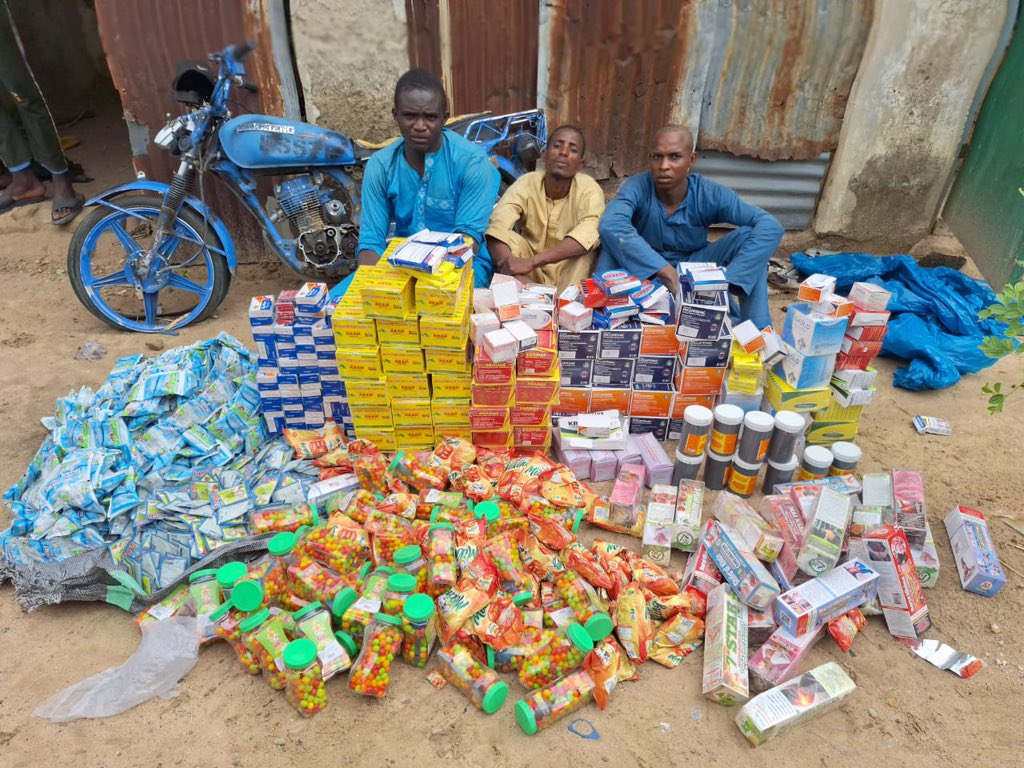
Terror Supply Chain Exposed as DSS Intercepts Medical Cache Bound for Wounded ISWAP
A major breakthrough in Nigeria’s counterterrorism campaign has uncovered what security experts describe as a critical lifeline sustaining insurgent operations in the North-East.
Operatives of the Department of State Services (DSS), working alongside forest guards in Borno State, have intercepted a large consignment of medical supplies allegedly destined for fighters of the Islamic State West Africa Province (ISWAP), dealing another blow to the group’s logistics network.
The seizure was reportedly made during a coordinated intelligence-led operation in Kaga Local Government Area, a region long considered vulnerable to insurgent movements due to its proximity to forest corridors frequently exploited by terrorist elements.
According to security sources, the intercepted supplies included significant quantities of antibiotics, anti-malaria medications, pain-relief drugs, injections, and other pharmaceutical products believed to have been intended for wounded fighters recovering from recent military offensives.
Investigators believe the consignment formed part of a broader effort to replenish insurgent camps that have suffered severe setbacks following sustained operations by Nigerian security forces and intelligence-supported missions involving international partners.
Recent offensives have reportedly inflicted heavy casualties on terrorist formations, disrupting their ability to regroup and maintain operational momentum.
The discovery highlights an often-overlooked dimension of the war against terrorism: logistics.
While military victories are won on the battlefield, insurgent groups survive through hidden networks that provide food, medicine, transportation, funding, and communication support.
Without these supply channels, even the most dangerous terror organizations struggle to sustain prolonged campaigns.
Security officials revealed that preliminary findings suggest the supplies were being transported discreetly in smaller batches to avoid attracting attention from security patrols.
Such tactics underscore the growing sophistication of insurgent support networks and the challenges facing authorities tasked with dismantling them.
The seized materials have been taken into custody for forensic examination as investigators work to identify those behind the shipment.
Security agencies are also expanding efforts to trace the financiers, suppliers, couriers, and collaborators believed to be facilitating the movement of critical resources to terrorist enclaves.
For many observers, the interception serves as a reminder that defeating terrorism requires more than military firepower.
It demands the systematic destruction of the networks that keep insurgent groups alive.
As investigations continue, Nigerians will be watching closely for answers—not only about who was moving the supplies, but also about the broader web of individuals and interests that may be helping sustain one of the country’s most persistent security threats.
 politics
 Adebayo Challenges Tinubu: Where Is Subsidy Money? Come Out and Account for It
 politics
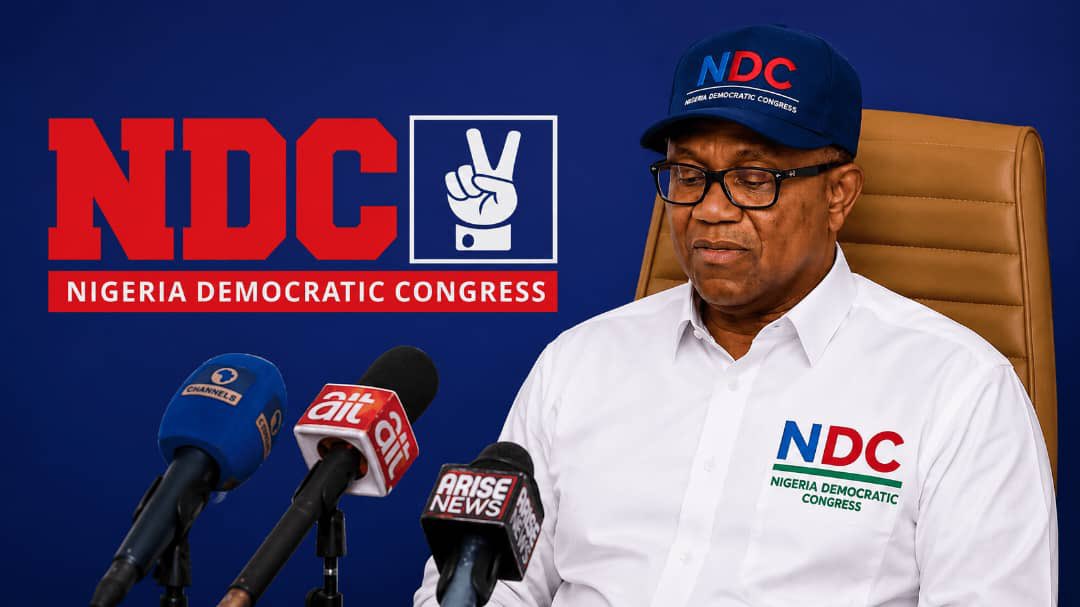
 NDC Wins Logo Battle as Abuja Court Orders INEC to Use Modified Design
 news
news Atiku Exposes Tinubu’s FAAC Scam: Bigger Naira, Poorer Nigerians
 news
news Police Arrest Hafsat Abubakar Over Fake Fintech Shutdown Document Circulated Online
 politics
 Sowore Declares Peter Obi Yelwata Blockade Government-Sponsored Political Attack
How do you feel about this news?
Community Additions
Have a news tip, correction, or extra context about this story? Post it below instantly. All submissions appear live on this screen immediately.