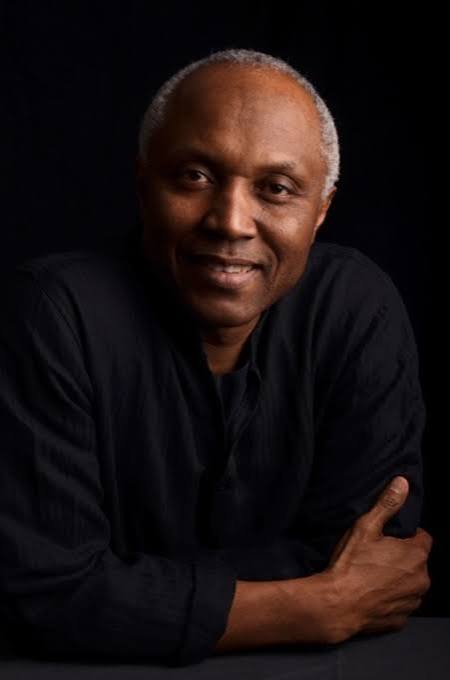
DSS Clears Veteran Critic Okey Ndibe in Airport Watchlist Drama
Abuja, Nigeria – June 2, 2026
In a bid to set the record straight, Nigeria’s Department of State Services (DSS) has firmly denied arresting or detaining renowned Nigerian-American professor and author, Professor Okey Ndibe, at the Murtala Muhammed International Airport on June 1, 2026.
The clarification comes after widespread public outrage and reports suggesting heavy-handed treatment of the vocal government critic.
The DSS revealed that the brief interface with Ndibe formed part of an ongoing internal cleanup of outdated watchlists dating back to the military era.
“The current DG of the Service, upon assumption of duty, directed a review of old Watch-List Actions (WLAs)… to ensure that citizens are not unduly embarrassed due to pre-existing WLAs,” the statement read.
This routine process involves interfacing with individuals on the list as a step toward possible downgrade and eventual delisting.
According to the agency, Ndibe has been on the watchlist since January 29, 2013.
After a professional interaction lasting barely one hour, he was cleared and escorted to continue his journey.
The DSS highlighted that Ndibe himself acknowledged the “professional, courteous and decorous conduct” of its operatives in a Facebook post.
Professor Okey Ndibe, a celebrated novelist and political commentator known for works such as Foreign Gods, Inc. and Arrows of Rain, has faced similar airport scrutiny multiple times since 2011.
His sharp critiques of corruption and governance have often placed him at odds with authorities.
Rights groups like SERAP quickly condemned the latest incident, describing it as part of a broader pattern of harassment targeting dissenting voices and raising concerns over freedom of expression.
The DSS emphasized that many Nigerians, including journalists, have benefited from this review exercise.
They cited the case of Mr. Lanre Arogundade, Executive Director of the International Press Centre, who was delisted in May 2025 after over a decade on the watchlist.
The agency stressed that such reviews follow international best practices to verify that individuals no longer pose risks related to the original reasons for listing.
This episode highlights a delicate balance between national security and citizens’ rights.
While the DSS frames the interaction as a standard administrative procedure, critics view repeated airport stops as intimidation tactics designed to silence opposition voices.
For a respected academic who has built his career across Nigeria and the United States — teaching at institutions like Brown University and editing publications founded by Chinua Achebe — such encounters carry deep personal and symbolic weight.
The agency urged affected citizens to formally report their cases for expedited review, assuring that the “hygiene” of the watchlist system will continue regardless.
“The Service reiterates that this process will continue to ensure that all Nigerians are fairly treated, with due regard to the provisions of the Law,” the statement concluded.
As Nigeria grapples with political tensions ahead of future elections, this case puts the spotlight on how security agencies handle legacy watchlists and dissenting intellectuals.
For now, Ndibe walks free, but the conversation about civil liberties versus state security remains far from settled.
 politics
 Adebayo Challenges Tinubu: Where Is Subsidy Money? Come Out and Account for It
 politics
 NDC Wins Logo Battle as Abuja Court Orders INEC to Use Modified Design
 news
news Atiku Exposes Tinubu’s FAAC Scam: Bigger Naira, Poorer Nigerians
 news
news Police Arrest Hafsat Abubakar Over Fake Fintech Shutdown Document Circulated Online
 politics
 Sowore Declares Peter Obi Yelwata Blockade Government-Sponsored Political Attack
How do you feel about this news?
Community Additions
Have a news tip, correction, or extra context about this story? Post it below instantly. All submissions appear live on this screen immediately.